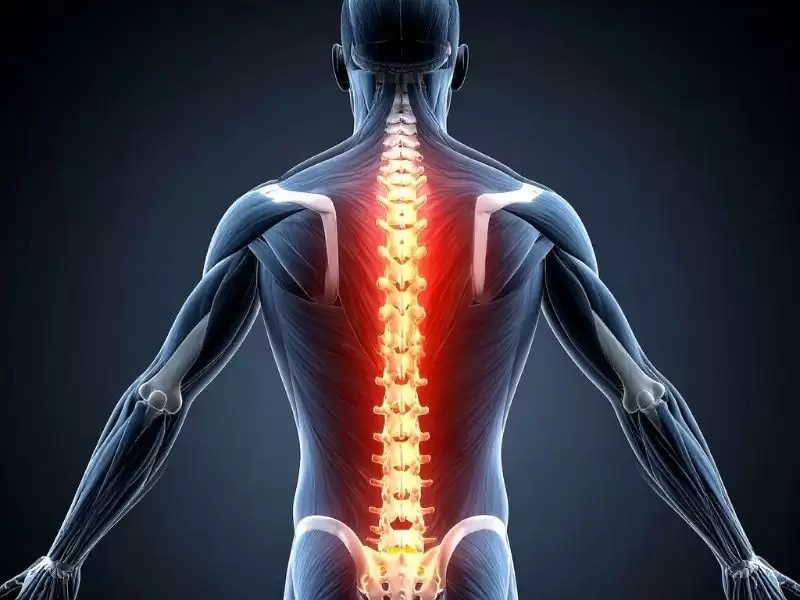
Pain, numbness, and limitation of movement experienced after spinal canal narrowing can seriously affect a person’s daily life. This condition occurs when the narrowing in the spinal canal puts pressure on the nerves. Especially common in older ages, this condition can be controlled with the right treatment. Spinal canal narrowing treatment, performed with surgical or non-surgical methods, aims to improve quality of life by reducing pain. The most effective spinal canal narrowing treatment that can be applied after spinal canal narrowing is determined according to the level of the disease and the person’s general health condition.
- How Does Spinal Canal Narrowing Occur?
- What Are the Causes of Spinal Canal Narrowing?
- How Is Spinal Canal Narrowing Treated?
- Is There a Medication Option in Spinal Canal Narrowing Treatment?
- Surgery in Spinal Canal Narrowing Treatment
- Non-Surgical Methods in Spinal Canal Narrowing Treatment
- The Importance of Exercise in Spinal Canal Narrowing Treatment
- Is Full Recovery Possible After Spinal Canal Narrowing?
How Does Spinal Canal Narrowing Occur?
Complaints experienced after spinal canal narrowing are generally the result of long-term degenerative processes. The spine puts pressure on the nerve roots due to narrowing of the canals through which the nerves pass, and this condition manifests itself with symptoms such as pain, numbness, or weakness. This condition, which is especially common in individuals over the age of 50, results from age-related bone and joint degeneration. After spinal canal narrowing, patients experience problems such as leg pain that increases while walking, stiffness in the lower back, and inability to stand for long periods. Over time, these symptoms make daily life difficult and require treatment.
The nerve pressure that develops after spinal canal narrowing limits mobility, so early diagnosis and appropriate spinal canal narrowing treatment are very important. Diagnosis is usually made with imaging methods such as magnetic resonance imaging (MRI) and computed tomography (CT).
What Are the Causes of Spinal Canal Narrowing?
The main cause of the discomfort that develops after spinal canal narrowing is the gradual deterioration of the structures that make up the spine. With the aging process, the water content of the discs decreases, the cartilage structures harden, and bone spurs (osteophytes) form. These changes narrow the spinal canal and lead to compression of the nerves.
In addition, a congenitally narrow spinal canal, spinal curvatures such as scoliosis, trauma, rheumatic diseases, and tumors may also worsen the condition after spinal canal narrowing. The risk is higher in people who work in heavy jobs or who have lived for many years with poor posture positions. Therefore, protecting spinal health and taking early precautions are just as important as properly managing the spinal canal narrowing treatment processes.
How Is Spinal Canal Narrowing Treated?
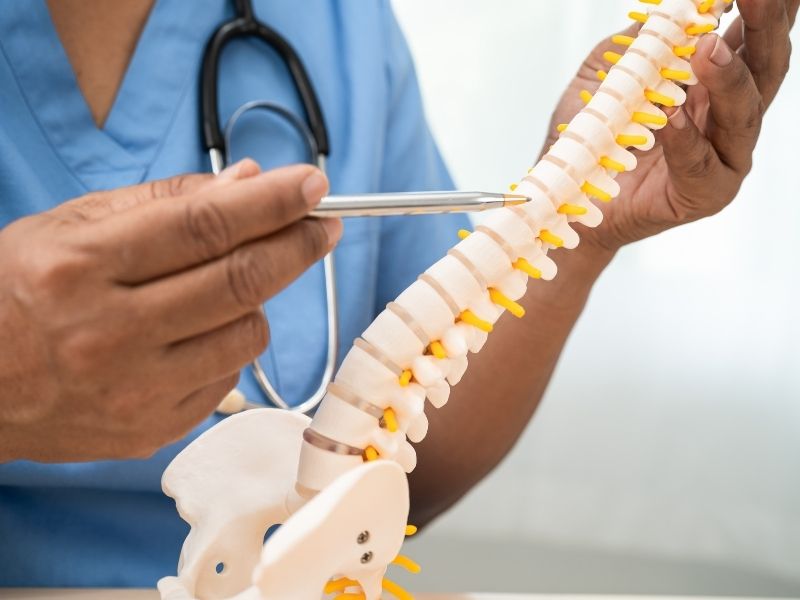
Spinal canal narrowing treatment is planned according to the severity of the patient’s complaints and the degree of nerve compression. While non-surgical methods are preferred in mild cases, surgical intervention may be required in advanced narrowing. The aim of the treatment process is to reduce pressure on the nerve, relieve pain, and improve quality of life.
At the first stage, physical therapy, exercise programs, and pain control are provided. With these methods, strengthening the muscles around the spine is targeted. In addition, personalized rehabilitation programs are applied to reduce pain after spinal canal narrowing. Regular exercise, proper posture training, and weight control play a critical role in the success of the treatment.
Is There a Medication Option in Spinal Canal Narrowing Treatment?
In spinal canal narrowing treatment, various medication treatments may be used afterward to relieve pain and keep the inflammatory process under control. Among the most commonly used drug groups are pain relievers (such as paracetamol and ibuprofen), muscle relaxants, and cortisone-containing injections. Although these medications provide temporary relief, they do not eliminate the root cause of the problem.
In some patients, medications that reduce nerve stimulation (for example gabapentin) may also be effective. However, since long-term use of medication may cause side effects, drugs should be used carefully in the spinal canal narrowing treatment plan. Taking painkillers or cortisone-containing drugs without a doctor’s supervision may cause permanent harm.
Surgery in Spinal Canal Narrowing Treatment
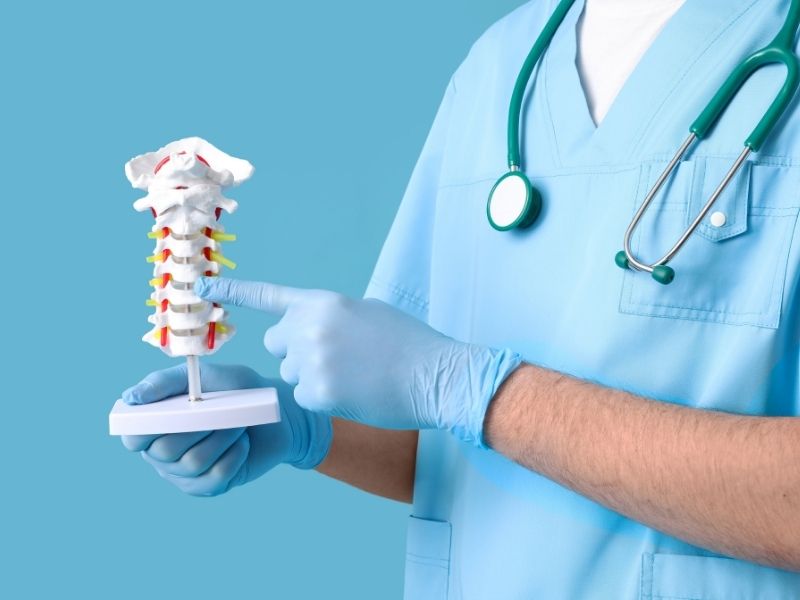
In cases where pain after spinal canal narrowing seriously reduces quality of life and nerve compression is advanced, surgical treatment becomes unavoidable. With the surgical procedure, the bone or tissue parts narrowing the spinal canal are removed and the pressure on the nerve is eliminated. This procedure is called “decompression surgery.”
In some cases, stabilizing implants such as screws and plates are also used to ensure spinal stability. Thanks to modern surgical techniques, the recovery process is much faster than in the past. However, patients who undergo surgery after spinal canal narrowing must also continue with regular physical therapy and exercise programs.
Non-Surgical Methods in Spinal Canal Narrowing Treatment
In cases after spinal canal narrowing where surgery is not required, methods such as physical therapy, manual therapy, acupuncture, and epidural injections may be effective. These methods relax the muscles around the spine, increase blood circulation, and relieve pain. Especially physical therapy helps reduce pressure on the spine by strengthening the lower back and back muscles.
In addition, hot-cold applications and low-frequency electrical stimulations (TENS) may also reduce nerve pain. Regular application of these methods under specialist supervision enables patients after spinal canal narrowing to lead a more active life in the long term.
The Importance of Exercise in Spinal Canal Narrowing Treatment
One of the most effective recovery methods after spinal canal narrowing is regular exercise. Exercise strengthens the muscles, increases flexibility, and reduces pressure on the spine. With appropriate exercises, posture disorders are corrected and nerve compression is prevented.
Especially swimming, yoga, and light-paced walks are extremely beneficial for spinal health. However, not every exercise is suitable for every patient. Therefore, the exercise program should be prepared individually by a physiotherapist. In people who exercise regularly after spinal canal narrowing, both pain and limitation of movement decrease significantly.
Exercise has a protective effect not only during the treatment stage but also after spinal canal narrowing. Regular movement helps preserve spinal health and reduces the risk of postoperative complications.
The right treatment plan after spinal canal narrowing significantly improves the patient’s quality of life. Surgical or non-surgical methods should be determined according to the individual situation and applied under specialist physician supervision. Exercise, correct posture habits, and weight control support the long-term success of the treatment.
Is Full Recovery Possible After Spinal Canal Narrowing?
Is Full Recovery Possible After Spinal Canal Narrowing?
Full recovery after spinal canal narrowing depends on the cause and degree of the narrowing and the treatment method applied. In mild cases, full recovery can be achieved with regular exercise, physical therapy, and lifestyle changes. However, in patients with advanced nerve damage, the goal is not complete recovery, but a significant reduction in pain and limitation of movement.
Can Spinal Canal Narrowing Recur After Treatment?
Yes, the condition may recur in some cases after spinal canal narrowing treatment. Especially in the postoperative period, poor posture habits, excessive weight gain, or lack of exercise may cause the narrowing to develop again. Therefore, lifestyle adjustments and muscle-strengthening exercises after treatment are very important.
How Long Does Pain Last After Spinal Canal Narrowing?
Is Walking Harmful in Spinal Canal Narrowing Treatment?
No, on the contrary, regular walking supports recovery after spinal canal narrowing. Low-paced walking strengthens the muscles around the spine and increases blood circulation. However, walking for a long time or on inclined surfaces may increase pain, so the duration and pace should be adjusted according to the doctor’s advice.
Is Massage Appropriate in Spinal Canal Narrowing Treatment?
Massage may relieve pain by reducing muscle spasms. However, intense massages that apply direct pressure on the spine are not recommended after spinal canal narrowing. Light therapeutic massages performed by a specialist physiotherapist increase blood flow and help relax the muscles.