The period after spinal canal narrowing is extremely important in terms of helping the person regain quality of life. During this process, careful care is required for the body to recover, the nerves to relax, and the spinal structure to strengthen. Every step taken after surgery or during the treatment process directly affects the speed of recovery. Therefore, during the period after spinal canal narrowing, proper nutrition, regular exercise, and appropriate lifestyle habits are of great importance. This process, carried out patiently, helps the person regain a pain-free and active life.
- What Is the Definition of Spinal Canal Narrowing?
- What Causes Spinal Canal Narrowing?
- Spinal Canal Narrowing Treatment Methods
- How Is the Process After Spinal Canal Narrowing?
- Should Nutrition Be Considered After Spinal Canal Narrowing?
- Exercise After Spinal Canal Narrowing
- Return to Normal Life After Spinal Canal Narrowing
- How long does full recovery take after spinal canal narrowing?
What Is the Definition of Spinal Canal Narrowing?
Spinal canal narrowing, medically called spinal stenosis, is the condition in which pressure develops on the nerve roots as a result of narrowing of the canal through which the spinal cord and nerves pass. It usually occurs in the neck (cervical), back (thoracic), or lower back (lumbar) region. This condition manifests itself with wear or calcification of the spinal bones as age progresses. Life after spinal canal narrowing may vary depending on the stage of the disease, the treatment method applied, and the patient's overall health condition.
While this condition may initially be felt only as mild pain and numbness, in later stages it may cause difficulty walking, numbness in the legs, and balance problems. Especially during the period after spinal canal narrowing, if a careful rehabilitation process is not followed, the pain may become permanent.
What Causes Spinal Canal Narrowing?
Spinal canal narrowing may result from many different causes. The most common cause is aging. Over time, the loss of elasticity in the discs between the vertebrae, calcification, and the formation of bone spurs narrow the spinal canal. In addition, congenital spinal structural disorders, scoliosis, trauma, tumors, or previous lumbar surgeries may also cause this narrowing.
In life after spinal canal narrowing, determining these causes is very important. Because the source of the narrowing is different in each patient, and treatment is shaped accordingly. Especially in individuals with a genetic predisposition, early diagnosis may significantly shorten the recovery period after spinal canal narrowing.
Spinal Canal Narrowing Treatment Methods
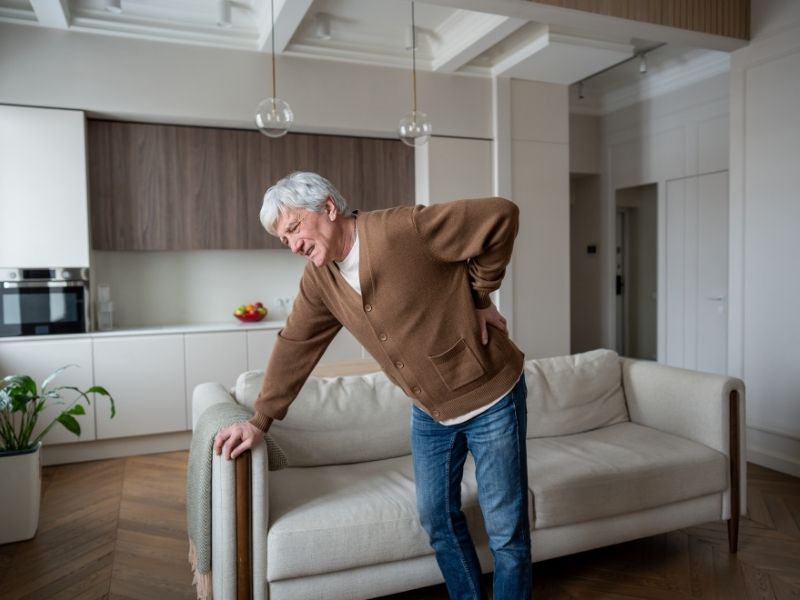
Spinal canal narrowing treatment methods vary depending on the severity of the disease. While medication, physical therapy, and lifestyle changes may be sufficient in mild cases, surgical intervention may be required in advanced narrowing.
Non-surgical methods include painkillers, muscle relaxants, physical therapy applications, and injection treatments. However, in cases requiring surgery, the pressure on the spinal cord is relieved by a method called “decompression surgery” or “laminectomy.”
After surgery, that is, during the period after spinal canal narrowing, the most critical stage is rehabilitation. Regular physical therapy performed under specialist physician supervision helps the spine regain balance by increasing muscle strength. Being patient during the treatment process directly affects the speed of recovery and permanent results.
How Is the Process After Spinal Canal Narrowing?
The process after spinal canal narrowing progresses differently in every patient. Rest is important in the first days after surgery. However, since remaining inactive for a long time may also cause muscle weakness, it is necessary to move with short walks. Mild pain, muscle stiffness, and a feeling of fatigue may generally be experienced in the first weeks.
During this period, following the exercise program recommended by the doctor accelerates recovery after spinal canal narrowing. In addition, incorrect sitting and lying positions should be avoided. The right mattress choice and pillows that provide lower back and neck support also support recovery.
Should Nutrition Be Considered After Spinal Canal Narrowing?
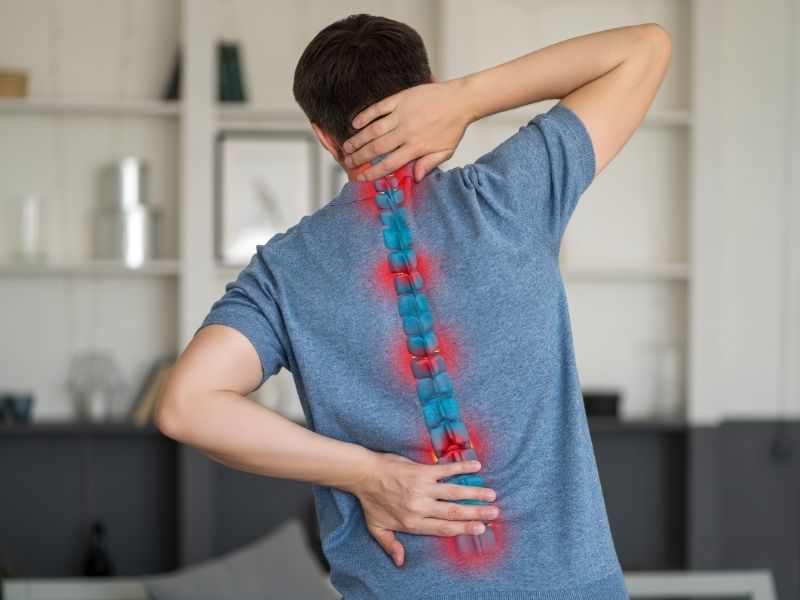
Yes, nutrition is quite important in life after spinal canal narrowing. Because proper nutrition accelerates tissue repair and reduces inflammation. Drinking plenty of water is necessary for muscle and spinal health.
In nutrition, foods rich in omega-3 fatty acids, vitamin D, calcium, and magnesium should especially be preferred. Salmon, walnuts, dairy products, and green leafy vegetables support the body during this period. In addition, calorie control should be maintained because excessive weight gain increases pressure on the spine.
During the period after spinal canal narrowing, consuming antioxidant-rich fruits (for example blueberries and pomegranate) helps the regeneration of nerve tissues.
Exercise After Spinal Canal Narrowing
Exercise is the most important part of rehabilitation after spinal canal narrowing. However, these exercises must be performed under the supervision of a physiotherapist. Incorrect movements may worsen the condition by putting pressure on the spinal cord again.
At first, walking, stretching, and balance exercises are preferred. Then it continues with low-impact exercises such as water therapy or pilates that strengthen the muscles. Swimming is one of the most ideal activities because it reduces pressure on the spine.
The exercise routine should be adjusted according to pain in life after spinal canal narrowing, and regular doctor check-ups should be carried out.
Return to Normal Life After Spinal Canal Narrowing
Returning to normal life after spinal canal narrowing is a process that requires patience and discipline. Recovery is usually completed within 3 to 6 months. Even if the body does not fully recover during this period, being careful in daily activities prevents the spine from being damaged again.
Avoiding heavy lifting, maintaining proper posture positions, and exercising regularly improve quality of life. In addition, for desk workers, using an ergonomic chair and making a habit of getting up and stretching at frequent intervals are of great importance.
Psychological motivation is also necessary during the period after spinal canal narrowing. It should not be forgotten that the recovery process is a marathon. Over time, pain decreases, mobility increases, and the person can safely return to normal life.
The process after spinal canal narrowing is a period that requires patience, consistency, and proper care. With appropriate treatment, balanced nutrition, and regular exercise, it is possible to minimize the effects of this condition. Specialist physician supervision is the most reliable guide during this process.
How long does full recovery take after spinal canal narrowing?
How long does full recovery take after spinal canal narrowing?
Full recovery after spinal canal narrowing usually varies between 3 and 6 months. However, this period may be longer depending on the patient’s age, the extent of the surgery, and the regularity of the exercises performed. In some people, full functional recovery may take up to 1 year.
Is it risky to drive after spinal canal narrowing?
Driving is not recommended during the first few weeks after surgery. During the period after spinal canal narrowing, sitting for a long time or making sudden movements may put pressure on the spinal cord. After obtaining doctor approval, careful driving over short distances may be possible.
What should the sleeping position be like after spinal canal narrowing?
During the recovery period, the most appropriate sleeping position is lying on the back or on the side with the knees slightly bent. This position reduces pressure on the spine. Using a firm mattress helps preserve the natural curvature of the spine.
Can pain recur after spinal canal narrowing?
Yes, if the person does not do the exercises recommended after treatment or continues poor posture habits, pain may recur. Regular physical therapy and posture control help prevent pain from recurring after spinal canal narrowing.
When can a person return to work after spinal canal narrowing?
Desk jobs that do not require physical exertion can usually be resumed within 4-6 weeks. However, in occupations that require heavy lifting or prolonged standing, returning to work after spinal canal narrowing may take 2-3 months.
Is getting a massage beneficial after spinal canal narrowing?
Professional massage performed with appropriate techniques may reduce muscle tension and increase circulation. However, massage is not recommended in the early period after spinal canal narrowing; it should be done only when permitted by the physician and under the supervision of a physiotherapist.
Can hot-cold application be used after spinal canal narrowing?
Yes, especially in the early period, cold application may reduce swelling, while in later weeks, heat application relaxes the muscles. However, the duration and frequency of these applications must be determined by the doctor or physiotherapist.