Peroneal Nerve Entrapment
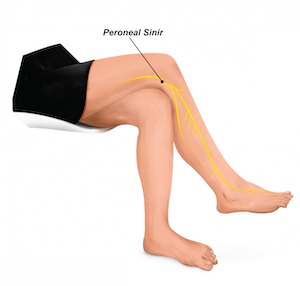
The peroneal nerve branches off from the sciatic nerve in the hollow behind the knee, wraps around the neck of the tibia, and divides into two terminal branches: superficial and deep.
Since the peroneal nerve is superficial in the knee region, especially in this area the likelihood of being exposed to pressure and direct trauma is quite high. As a result of knee surgeries, casts, leg braces, high boots, tight sock bands, socks, and sitting for a long time with legs crossed, the peroneal nerve may come under pressure.
Peroneal nerve damage may also develop due to diabetes, weight loss, tumors, or cysts.
Symptoms of Peroneal Nerve Damage
In nerve damage, the first complaint is weakness in the foot. While walking, it feels as if the foot is catching on the ground. Complaints that begin suddenly or gradually increase over time. In severe damage, foot drop may develop. In addition, numbness may be seen on the top of the foot and the front outer side of the leg.
Treatment of Peroneal Nerve Damage
If the complaints are not advanced, the patient’s symptoms usually improve on their own within one month. If the patient has loss of strength in the foot and nerve damage has been detected on Electromyography (EMG), waiting should be avoided and surgery should be considered immediately. After the surgery performed under local anesthesia without giving the patient general anesthesia, if it is not too late, the motor function in the nerve improves by 87%.