Spondylolisthesis
Patients with spondylolisthesis experience a number of problems during the day that reduce their quality of life. In patients who consult a doctor with complaints such as pain and weakness, the problem of spondylolisthesis is often noticed quite late, and diagnosis / treatment methods are delayed. For this reason, especially in disorders affecting the spinal area, it is recommended to consult experienced and specialized physicians.
In patients diagnosed with spondylolisthesis, rest, medication, physical therapy, and exercises are first applied in order to treat the condition and eliminate complaints. However, in treatment planning, the degree of slippage and whether the slippage is mobile or immobile are of great importance. In fact, patients with a high degree of spondylolisthesis and mobile slippage may occasionally experience locking. In addition, this problem is a chronic condition and must be treated and kept under control. For this reason, spondylolisthesis surgery may be considered in patients with advanced slippage.
Spondylolisthesis Surgery
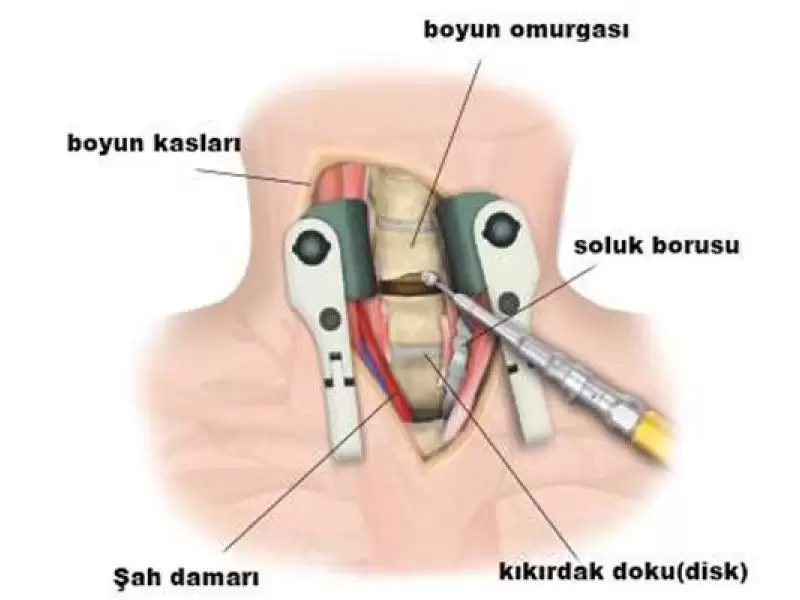
Spondylolisthesis surgery can be performed in two different ways. These methods are open and minimally invasive techniques. While the open surgery method has been performed for many years, the minimally invasive method can be applied as a result of technological developments being used in the field of medicine as well. Both methods have different applicable slippage levels, patient profiles, risks, and advantages. For this reason, the surgeon’s recommendations have a major impact on the successful outcome of the surgical treatment process.
In order for spondylolisthesis surgery to be performed with minimally invasive techniques, the patient must first be at an ideal weight and the vertebral bones must have a proper structure. At the same time, the patient’s general health condition and physiology must also be adequate. The surgical and recovery process, performed by entering through 4 openings made in the slipped area of the lower back, is experienced in a fairly short and comfortable way.
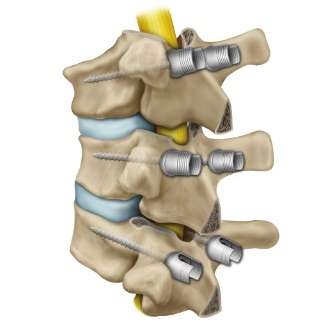
The position of the screw or screws to be placed between the vertebrae is of great importance for the success of the surgery. In fact, placing the screw in an incorrect position even by 1 millimeter may create the possibility of paralysis for the patient. Therefore, during screw placement, correct positioning and avoiding damage to the spinal cord are extremely important. At this point, not only the surgeon’s skill but also the quality of the equipment and devices to be used during the operation is of great importance.
Surgery performed with minimally invasive techniques is generally carried out under local or epidural anesthesia. Thus, in the event of any intervention affecting the nerves, the patient can inform the doctor. After the surgery is successfully completed with the help of advanced imaging techniques, the patient needs to stay in the hospital for 1 more day and remain under observation.