Pituitary Surgery
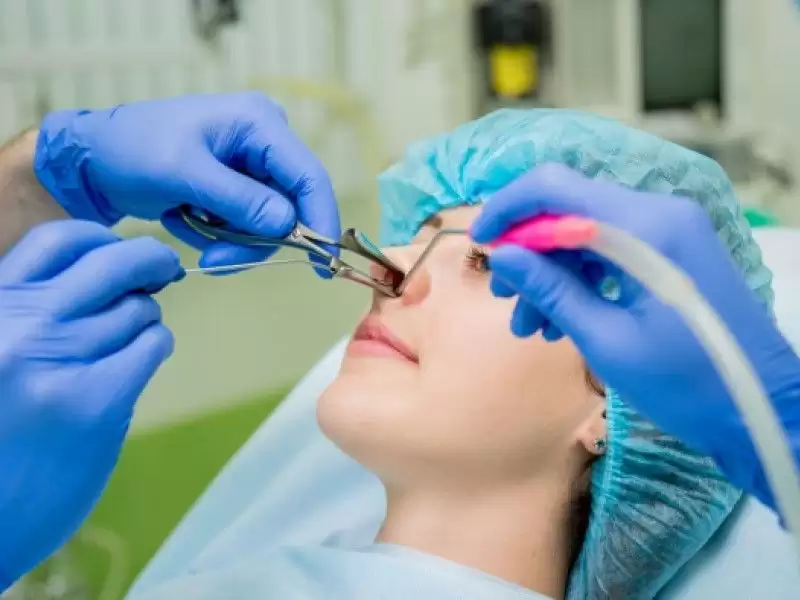
The pituitary gland extends toward the sinus called the sphenoid sinus located behind the nasal cavity; therefore, these masses are reached through the nasal cavity rather than by passing through the brain.
Although pituitary surgery is a highly reliable procedure, the nearby anatomical structures may cause some problems during the operation. Some of these complications may appear as nasal congestion or loss of smell, while more serious issues may include cerebrospinal fluid leaks seen at a rate of 1–5%, and injuries to the optic nerve and the carotid artery occurring at a rate of 1 in 1,000 or 1 in 10,000. In order to minimize these risks, it is important to perform detailed radiological examinations before surgery, to use computer-assisted systems during the operation when necessary, and for the surgery to be performed by experienced surgeons.
In the endoscopic approach, the structures inside the nose (septal cartilage, etc.) are not damaged; entry is made directly through the opening where the sinus drains into the nose, thus eliminating the need for postoperative nasal packing.
The endoscopic angled view makes it easier to identify any remaining tumor fragments, thereby allowing removal of tumor tissue that may be hidden in difficult-to-see areas.
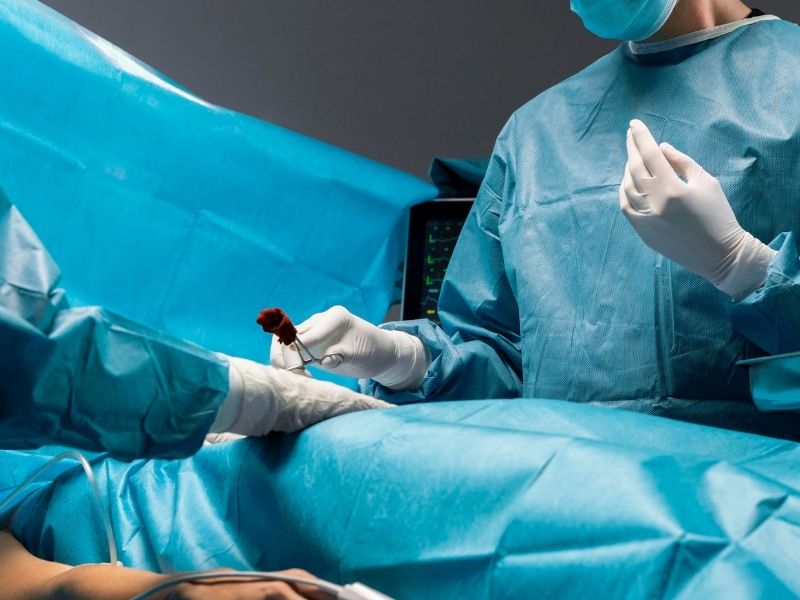
As a result, endoscopic surgery for the pituitary gland helps achieve better tumor removal and minimizes possible complications, especially those related to the nose.