What Are the Symptoms of a Herniated Disc?
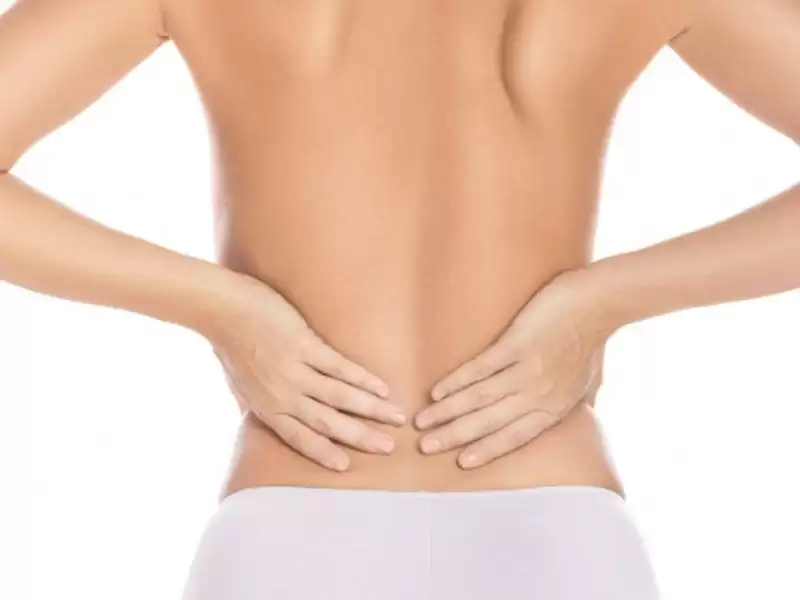
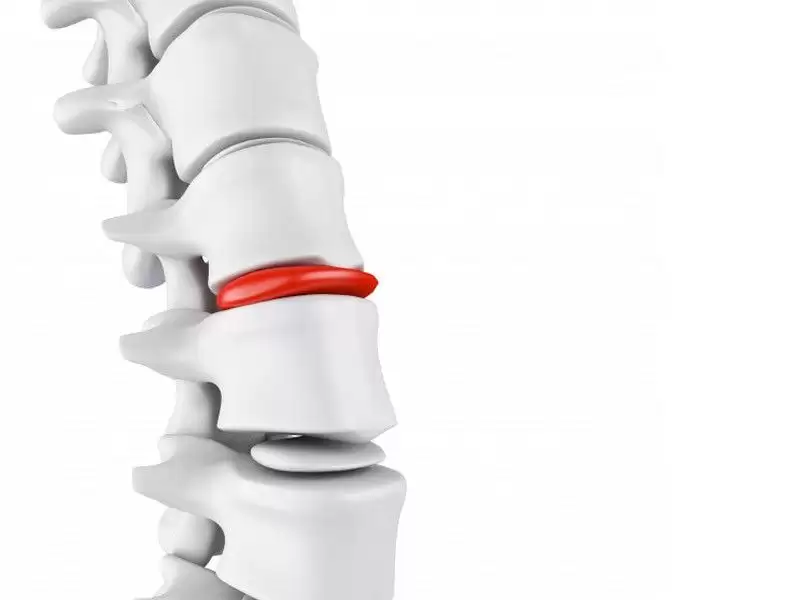
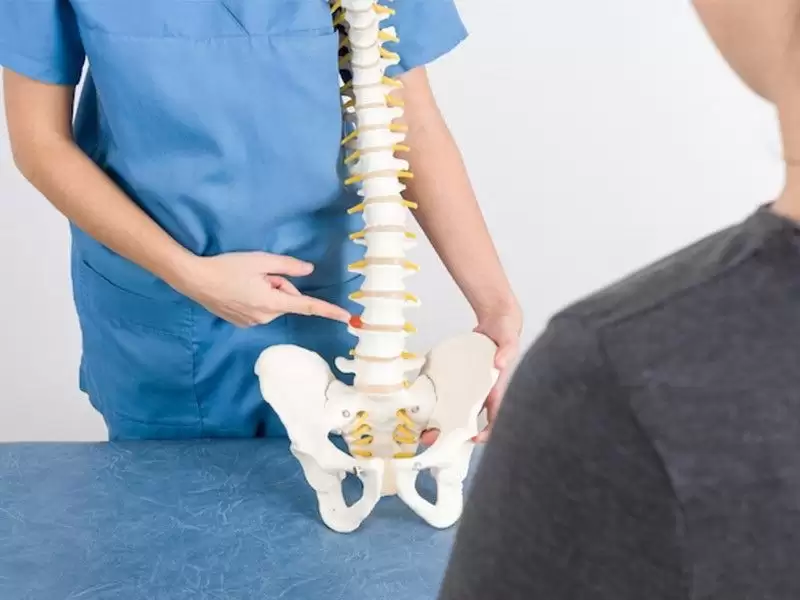
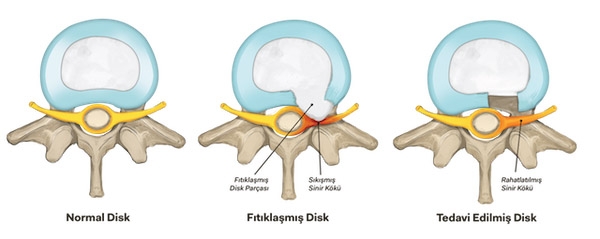
Symptoms of a herniated disc; depend on the degree of pressure that the elastic material we call the disc places on the nerves going to the leg. If the bulging in the disc is mild, the patient may only have occasional low back and leg pain. If the bulging in the disc is more pronounced (protrusion stage) and it is also pressing on the nerve root, the patient may complain of pain radiating from the lower back to the leg, which becomes more severe with certain movements such as coughing, sneezing, and straining. Along with the pain, there may be tingling and numbness in the leg, sole of the foot, top of the foot, and even the toes. If the compression is at a more advanced stage and the nerve root has been exposed to pressure for a long time, the fibers of the sciatic nerve may be damaged, and weakness (paralysis) may occur in the upward or downward movements of the foot.
Symptoms of a Herniated Disc
- Pain radiating to the leg
- Increased pain with coughing, straining, or sneezing
- Staying in any one position for too long (such as standing, sitting, or lying down) typically increases the pain.
- Curvatures in the lower back (scoliosis) may develop. The body reflexively leans to the opposite side to reduce the pain.
- Numbness in the area supplied by the compressed nerve root
- Weakness in the foot, toes, or leg on the right or left side, depending on the level and side of the compressed nerve root
Frequently Asked Questions About the Early Symptoms of a Herniated Disc
What Are the Early Symptoms of a Herniated Disc?
The early symptoms of a herniated disc include low back pain, muscle tension, and a feeling of stiffness. These symptoms usually begin in the lower back area and may become more severe over time. Some people may also experience numbness, tingling, or weakness in the legs. A herniated disc is a condition that occurs as a result of damage to or protrusion of the discs located between the lumbar vertebrae.
What Kind of Pain Does a Herniated Disc Cause?
A herniated disc may cause sharp pain, numbness, tingling, or a burning sensation due to compression or irritation of the nerve roots in the lower back.
How Can Herniated Disc Pain Be Distinguished?
Herniated disc pain usually starts in the lower back and radiates down to the legs. It is often felt as sharp pain, a burning sensation, or numbness in the hip, thigh, or foot. Herniated disc pain may increase with movement or actions such as coughing and may improve with rest.
In Which Area Is Herniated Disc Pain Felt?
Herniated disc pain starts in the lower back and is mostly felt in the lower part of the back. Over time, this pain may spread to the hip, thigh, and foot. Herniated disc pain is usually felt together with sharp pain, numbness, tingling, or a burning sensation in the hip, thigh, and foot.
What Can Be Done at Home for a Herniated Disc?
Rest is important to relieve herniated disc pain. Bed rest or supporting the lower back with appropriate positions may help reduce pain. Suitable low-impact exercises for a herniated disc may help strengthen the lower back and improve flexibility. These exercises may help reduce pain and speed up recovery. However, it is important to consult a healthcare professional before starting any exercise.
Which Activities Can Worsen a Herniated Disc?
Herniated disc pain may worsen due to activities such as excessive exertion, sudden movements, prolonged sitting, or bending. Heavy lifting or poor body mechanics may also increase herniated disc pain.
How Is a Herniated Disc Diagnosed?
To diagnose a herniated disc, doctors rely on the patient's symptoms, physical examination, and imaging tests (MRI, X-ray). These tests help confirm the findings of a herniated disc and rule out other possible causes.
Can a Herniated Disc Heal on Its Own?
A herniated disc may heal on its own, but this varies from person to person. Small herniated disc cases may improve over time, while treatment may be necessary in some situations. If symptoms are prolonged or severe, a doctor should definitely be consulted.