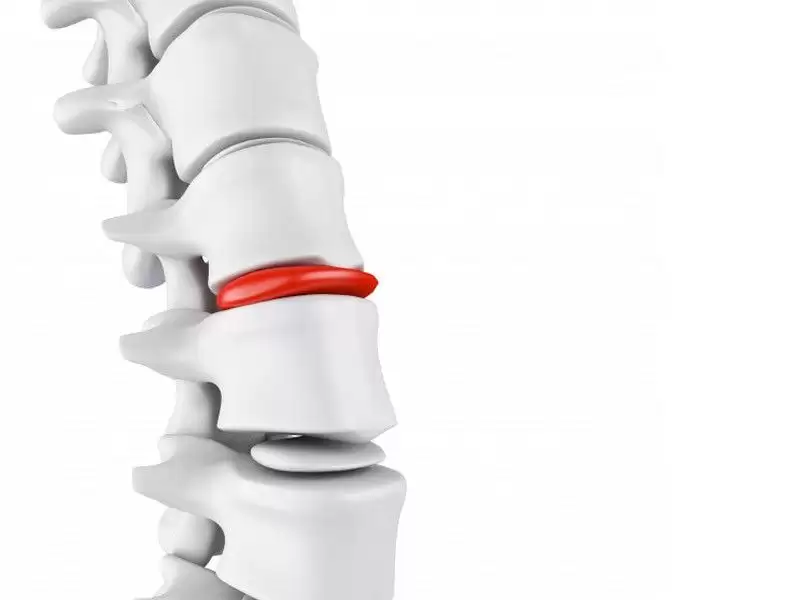
Surgical Methods Used for Herniated Disc
The common goal of the surgical methods used for herniated disc is to eliminate the pressure on the nerve caused by the herniation. Although there are different surgical methods depending on the size and location of the herniation, the most commonly performed surgical method in the world and the one accepted as the gold standard is microdiscectomy performed with microsurgery.
While Laser Discectomy is applied in the early stage of herniated disc, endoscopic discectomy is a treatment method used more often in herniations with special locations.
Surgical Methods Used in Herniated Disc Treatment:
- Standard discectomy (open surgery)
- Microdiscectomy
- Endoscopic discectomy
- Laser discectomy
Open Surgery
In herniated disc patients, this is the method commonly known among the public as open surgery. Today, it is a method used only by doctors who do not have microsurgery experience or who work in hospitals without an operating microscope. Open discectomy is performed under general anesthesia, with the patient lying face down.
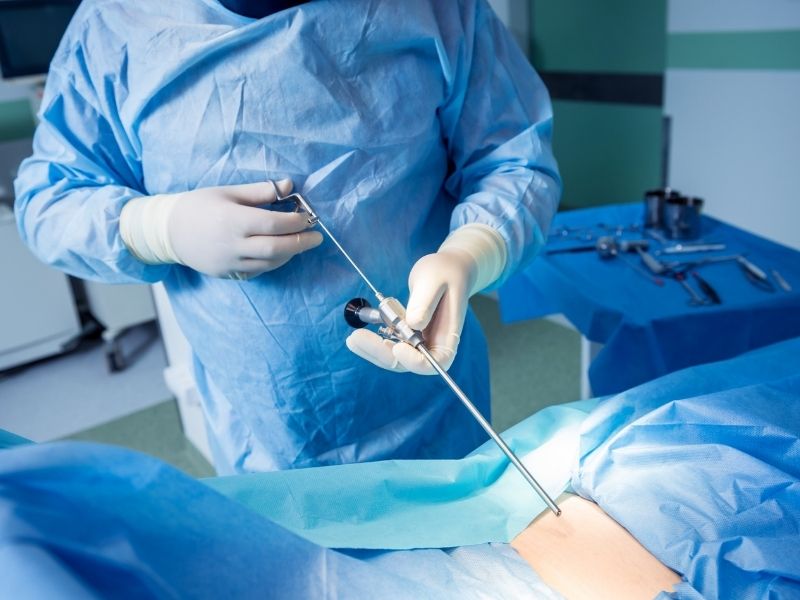
A 5-6 cm incision is made in the skin over the area where the herniation is located, and the herniated parts compressing the spinal cord and nerve root are removed only to the extent that the surgeon performing the operation can see them. Because there is a great deal of muscle and bone tissue damage, the patient suffers from low back pain for a long time after surgery. In addition, since the herniated fragments are removed only as much as can be seen with the naked eye, the احتمال of recurrence is very high.
Microdiscectomy
The most common and most reliable surgical method used in herniated disc patients is microdiscectomy performed with microsurgery. Microdiscectomy, which is performed using operating microscopes specially produced for microsurgery, is a method carried out by experienced surgeons trained in microsurgery.
Depending on the patient, the microdiscectomy method is performed either by numbing the lower half of the body (spinal anesthesia) or by putting the patient completely to sleep (general anesthesia). Through a small skin incision (approximately 2 cm), and without damaging the surrounding tissues, the herniation is safely and completely removed under the microscope without harming the nerve.
Because the operation is performed in a small area, it is possible for the patient to get up and walk within 4 hours after surgery. Since the surgery-related tissue damage is very limited, it causes very little pain after the operation. Microdiscectomy with microsurgery, which has a high success rate and a very low chance of recurrence, is today the most widely accepted and preferred method in the world.
Endoscopic Discectomy
In the endoscopic discectomy method, which is used in some types of herniation with special locations, cameras that provide two-dimensional imaging are used. This method, which is not suitable for every patient, is an intervention performed under general anesthesia with a 1 cm incision and the help of an endoscope. The method has two types, interlaminar and transforaminal, and has a lower success rate compared to microdiscectomy. In addition, the probability of recurrence is much higher compared to microdiscectomy. Endoscopic Discectomy
Laser Discectomy
It is a method applied in the early stage and mostly in herniated discs that have caused low back pain. Under local anesthesia, the problematic herniated area is reached, and with the heat effect applied using special devices, the herniation is reduced to some extent. The success rate is quite low and it can only be applied in herniations that do not cause serious spinal cord and nerve root compression. In addition, even when performed by experienced surgeons, the possibility of nerve damage due to the heat effect is very high.