Lumbar Slippage
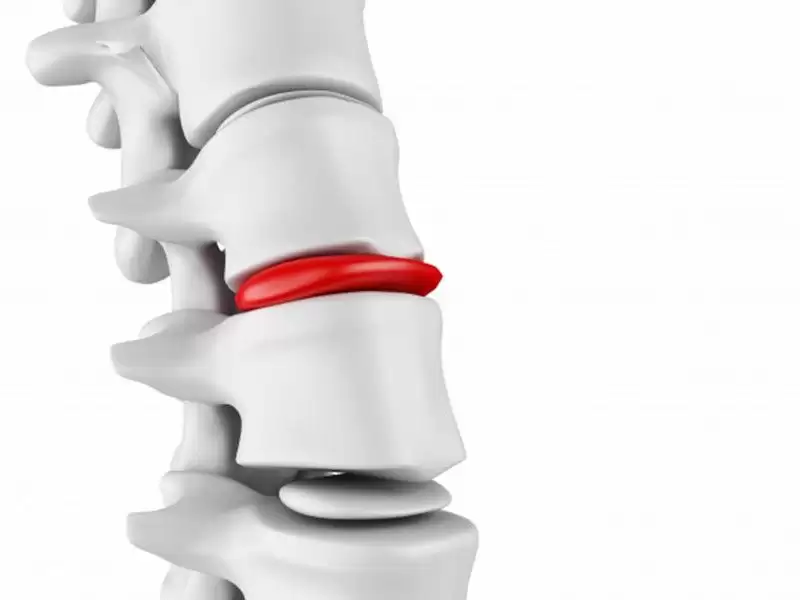
The spinal alignment of the human body is designed perfectly. The lumbar region enables a person to stand upright and move. In addition, there are discs between the vertebrae in the lumbar region that serve as cushions. The discs located in this area also function as shock absorbers and prevent damage to the nerves within the vertebrae. The lumbar region, which carries the weight of the human body during the day and enables standing upright and movement, may in some cases become deformed (advanced age, traumatic events, congenital reasons). In this case, the problem of lumbar slippage may occur.
What Is Lumbar Slippage?
Lumbar slippage, defined as the deformation and disruption of the spinal alignment in the lumbar region due to various reasons, has certain causes. These causes can be listed as follows;
- Congenital causes
- Advanced age
- Having undergone any surgical procedure in the lumbar region
- Traumatic events such as accidents, impacts, and falls
- High birth weight
- Difficult childbirth
- Osteoporosis
- Posture disorder
- Uncontrolled movement
- Heavy lifting

The diagnosis of lumbar slippage is quite difficult. In patients who consult a doctor with low back pain, the possibility of lumbar slippage is considered quite late. This causes delays in the diagnosis and treatment process. Patients experiencing the problem of lumbar slippage experience certain complaints that negatively affect daily life. These complaints can be listed as follows;
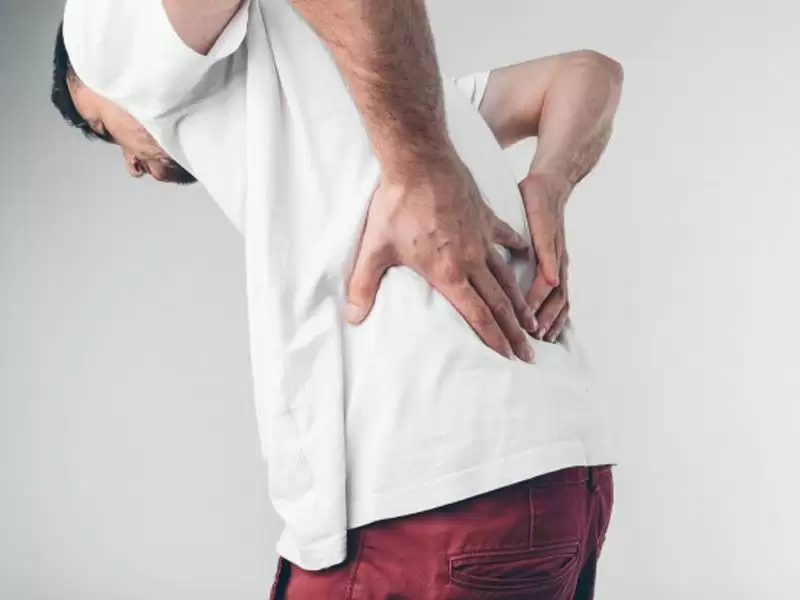
- Low back pain
- Pain in the legs
- Difficulty sitting on a soft surface
- Difficulty sleeping on a soft bed
- Inability to stand for a long time
- Inability to walk for a long time
- Inability to sit on the floor
- Difficulty walking
- Weakness in the legs
- Sexual dysfunction in advanced slippage cases
- Urinary incontinence problems in advanced slippage cases
In some patients experiencing the problem of lumbar slippage, the nerves are under pressure, and this creates serious risk factors that negatively affect the patient's overall health condition. However, in approximately 25% of patients, there is no pressure on the nerves, and treatment may be possible with medication, physical therapy, and various exercises. At the same time, if the lumbar slippage problem is defined as stable, no surgical intervention is needed. For this reason, in the diagnosis process of the lumbar slippage problem, information on whether the problem is mobile or stable is also evaluated. In fact, patients experiencing a mobile lumbar slippage problem may occasionally experience locking.
Treatment of Lumbar Slippage
In order to decide on lumbar slippage treatment methods, the patient must be examined in detail and the degree of slippage must be determined. In minimally detected slippage cases, patients need to rest and use painkillers to ensure pain control.
In cases where the degree of lumbar slippage is high, physical therapy and also injections with pain-relieving effects may be applied. Especially in patients who experience nerve compression in addition to the lumbar slippage problem, the injection method is a frequently used treatment method.
The treatment methods for the problem of lumbar slippage can be listed as follows;
- Rest
- Painkillers
- Exercise
- Use of braces and similar materials
- Physical therapy and rehabilitation
- Injections
- Surgical methods
In the treatment planning of the lumbar slippage problem, the degree of slippage and whether the slippage is mobile are of great importance. As a result of these evaluations, a qualified treatment plan is applied by also considering the patient’s general health condition. At the same time, swimming exercises for patients experiencing the lumbar slippage problem have a great effect both on the degree of slippage and on keeping the patient’s complaints under control.
In lumbar slippage, when non-surgical treatment methods do not provide benefit, the patient’s complaints do not decrease and instead increase, lumbar slippage surgeries are resorted to. Today, as a result of technological developments and advances in scientific studies, surgical methods can be applied in a highly reliable and comfortable way. Lumbar slippage surgery is also performed today with the microsurgical method, allowing for a much shorter and more comfortable recovery process.
The application of lumbar slippage surgery with the microsurgical method is based on the discipline of stabilizing the vertebral bones with screws.
The treatment of the lumbar slippage problem should not be delayed. Otherwise, the patient’s daily life comfort will disappear, and quality of life will significantly decrease because of pain and movement limitations.