What Is a Cervical Hernia?
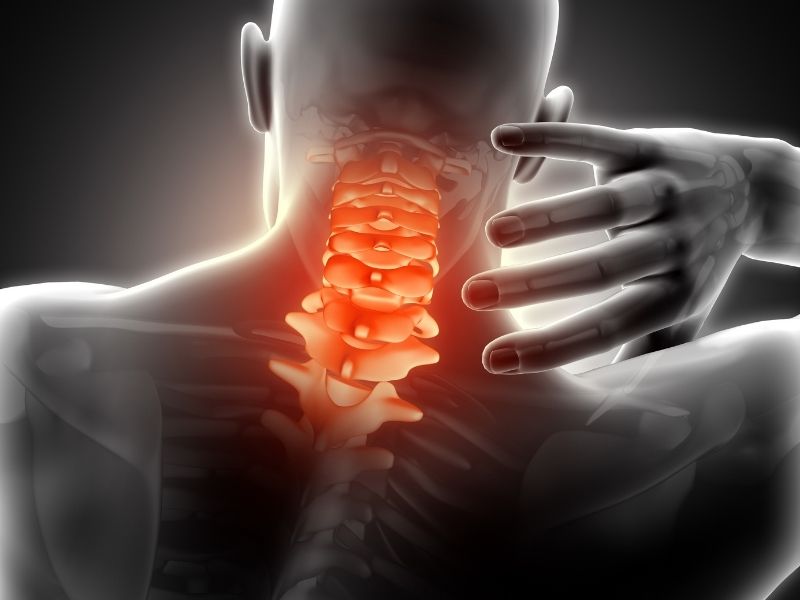
Cervical hernia is a common problem encountered in neurosurgery. The neck structure consists of 7 vertebrae, structures called discs located between the vertebrae, and 2 small joints connecting two vertebrae to each other. The function of the discs located between the vertebrae is to distribute evenly the load placed on the vertebrae. Another function of the discs and joints in the neck is to provide mobility to the neck. In this way, we are able to move our neck in any direction we want.
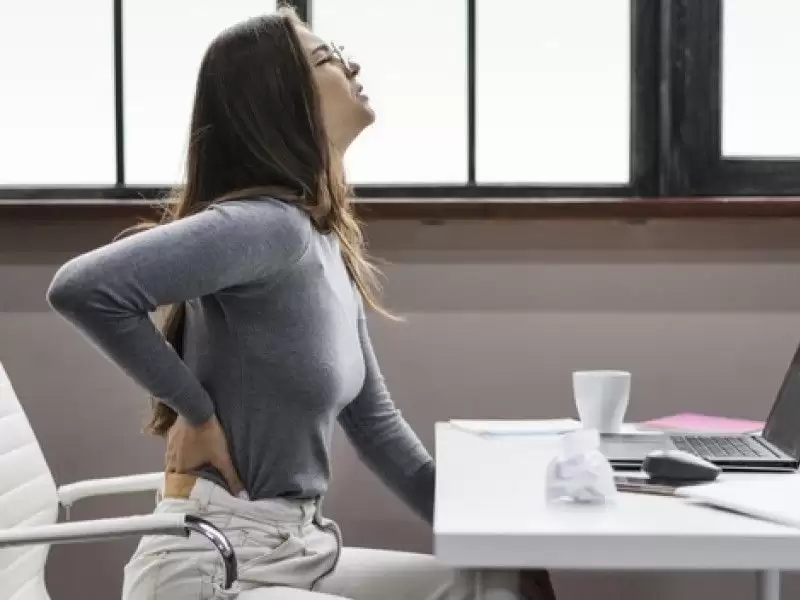
Pain and restricted movement in the neck are also common conditions. Especially with the computer becoming an inseparable part of business life, the rate of neck pain has increased considerably. Naturally, the risk of cervical hernia also increases in people working in certain occupational groups. The likelihood of cervical hernia is high in desk workers, teachers, drivers, and those working in physically heavy and demanding jobs. Another factor affecting the increase in neck pain is advancing age. Over time, the fluid inside the discs decreases and the discs become unable to function properly. This condition also causes deterioration and tears in the outer layer of the disc. If these tears progress, the inner structure of the disc exits through the tear and puts pressure on the nerves, causing severe pain in the neck. If the nerves going to the arms are under pressure, the patient may experience shoulder and arm pain in addition to neck pain.
The first step in diagnosing the patient with a cervical hernia is for the patient to share their history and complaints with the surgeon. The next step is to examine the area with magnetic resonance imaging. In elderly patients, a computed tomography scan may also be required in addition for evaluation.
What Causes a Cervical Hernia?
- Having an accident is among the most common causes of cervical hernia. As a result of various accidents, the soft tissues in the neck region may be damaged. A hernia may occur as a result of the injury.
- Straining the muscles excessively beyond their normal posture may cause a cervical hernia.
- Looking at a computer and / or phone too much causes a cervical hernia. It is one of the most important reasons for the increase observed in cervical hernia today.
- Using a drill for a long time may cause a cervical hernia due to the vibrations it creates in the neck.
- Riding a motorcycle for a long time causes hernia formation because it requires the neck to remain in an awkward position. In addition, the shaking of the neck while riding a motorcycle is another cause of hernia formation.
- The decrease in the fluid in the discs due to advancing age and the discs becoming unable to function as cushions is one of the most important causes of cervical hernia.
- Stress and fatigue have an accelerating effect on cervical hernia formation. The negativity and tension caused by stress play a role in the formation of cervical hernia, as in many diseases.
- Incorrect massage applications, that is, a wrong movement made during massage, can easily cause hernia formation.
- Nerve compression; that is, due to herniated discs, new pressure may form on the spinal cord and nerves. This condition may also cause new hernias to develop.
What Are the Symptoms of a Cervical Hernia?
One of the most common symptoms of a cervical hernia is feeling unexplained and long-lasting pain in the nape area that is not related to any impact or an awkward sleeping position. If this pain continues for a long time, a cervical hernia should be suspected. The pain occurring in the neck is also a one-sided pain that radiates toward the arm. The pain caused by pressure on the nerves can also be felt in the arms. Moreover, these pains felt in the neck and arm region can turn into headaches and significantly reduce the patient's quality of life. A headache added to neck and arm pain negatively affects the person’s daily life.
People with a cervical hernia have difficulty moving their necks and experience serious limitations in neck movements. The neck can no longer be moved as comfortably as before. If the cervical hernia progresses, it may even become almost impossible to move the neck at all. People with advanced cervical hernia also experience difficulty walking. Difficulty walking and being unable to maintain balance while walking are signs of advanced cervical hernia.
Another symptom of a cervical hernia is muscle spasm. Involuntary contractions may occur in the muscles due to the cervical hernia.
The pain caused by a cervical hernia usually increases at night while sleeping. Because of this worsening pain, the person may experience sleep problems.
Dizziness and nausea are also among the symptoms of cervical hernia and disrupt the person’s daily life.
Patients complaining of such symptoms should definitely consult a doctor. As a result of the examinations, a treatment method will be followed according to the severity of the hernia. Painkillers, a neck brace, massage, and exercises are the treatment path followed in patients whose disease has not progressed much. If these treatment applications do not relieve the person’s pain; cervical hernia surgery is required. Causing severe pain, limitation of movement, loss of balance, dizziness, nausea, and insomnia, cervical hernia significantly reduces the person’s quality of life. If these symptoms, which turn into a nightmare for the patient, cannot be resolved with medication and exercises, surgical intervention becomes unavoidable in such patients. Since the pressure on the nerve will be eliminated, cervical hernia surgery completely relieves the person’s complaints and provides a definite solution.