
Surgical Methods Used for Cervical Hernia
The vertebrae located in the neck region are the areas where the nerves transmitted for the control of the whole body are located. Starting from the base of the head, there are 7 vertebrae, and these are covered with both connective tissues and gel tissue. In addition, there are discs between every two vertebrae that serve as cushions. Over time, these discs wear out and deteriorate due to various reasons.
The deterioration of the discs between the vertebrae and the pressure placed on the nerves are defined as cervical hernia. Patients experiencing the cervical hernia problem have complaints such as;
- Neck pain
- Arm pain
- Numbness in the arms starting from the fingers
- Difficulty holding objects and dropping the objects being held
- Difficulty while walking
- Limitation of movement
which negatively affect daily life and quality of life. People who consult a doctor with these complaints first undergo a detailed physical examination. At the same time, the location and degree of the hernia problem are determined with magnetic resonance (MR), computerized tomography, and various nerve tests.
The treatment of the cervical hernia problem should not be delayed. Otherwise, the pressure applied to the nerves will increase over time, and the patient’s health condition will be affected even more. For this reason, it is recommended that people experiencing cervical hernia complaints consult a specialist doctor without delay.
Treatment Methods for Cervical Hernia
The treatment methods for the cervical hernia problem can be listed as follows;
- Rest; if the patient especially experiences pain and weakness in the arms, they need to rest and not lift any weight.
- Performing movements in a controlled manner; hanging curtains, cleaning windows, the duration of sitting at a computer, pillow use, and bed selection should be carried out under doctor supervision in a way that will reduce and eliminate cervical hernia complaints.
- Medication treatment; drugs with muscle relaxant and pain-relieving properties are used to ensure pain control.
- Physical therapy; it is aimed to eliminate the patient’s pain by applying physiotherapy methods.
- Surgical treatment methods; this is the process of cleaning and repairing the hernia area through surgical intervention.
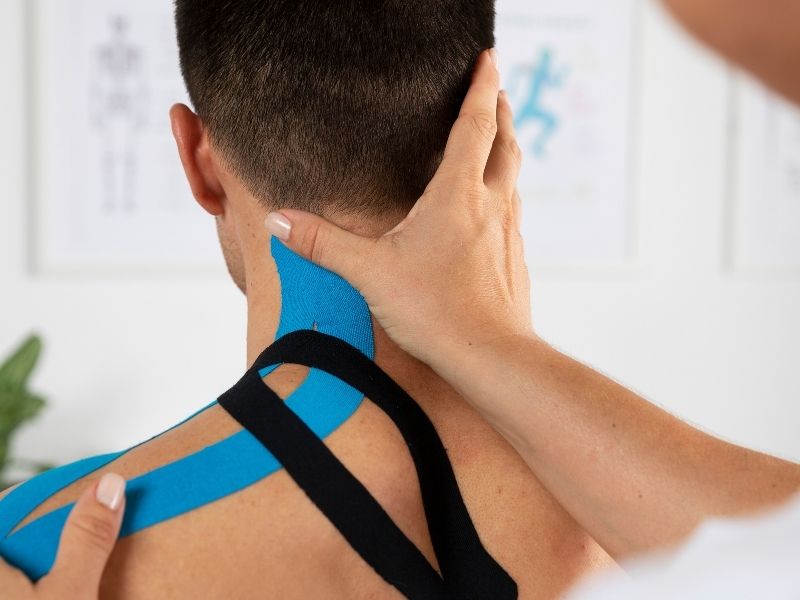
Cervical Hernia Surgery
After the location and degree of the hernia are determined definitively by applying the necessary diagnostic methods, the doctor creates a treatment plan. In this planning, of course, surgical methods are in the last place. In fact, surgical methods may need to be applied in patients who do not benefit sufficiently from medication or physical therapy methods, whose complaints do not decrease but instead increase, and who experience weakness in the arms.
The treatment of cervical hernia with surgical methods can be applied in two different ways. These are classical open cervical hernia surgery and cervical hernia surgery performed by applying the microsurgical method.
Cervical Hernia Surgery with the Open Method
Surgical methods have continued to be applied for many years. Within the technical possibilities of the period, these methods may vary and improve. Since earlier years, the open surgery method has been applied in the treatment of cervical hernia. This method is based on the discipline of reaching and repairing the hernia by making a large incision in the area where the hernia is located.
Cervical hernia surgery is performed under general anesthesia, and the patient’s recovery process takes quite a long time. During this operation process, as in every surgical intervention, there are some risk factors. In order to prevent these risk factors, it is essential to choose experienced surgeons in the field. At the same time, the doctor’s recommendations during the operation and recovery processes must also be followed completely.
What Are the Risks of Cervical Hernia Surgery?
- Risk of bleeding and infection
- Risk of damage to the esophagus
- Risk of damage to the vessels
Cervical Hernia Surgery with Microsurgical Methods
Surgery of the cervical hernia problem with microsurgical methods has provided major advantages for both doctors and patients in recent years. The reason for this is that the microsurgical method is much safer and more comfortable compared to open surgery.
Performing cervical hernia surgery with microsurgical methods is based on the discipline of safely repairing the area by making a minimal incision in the hernia region and also benefiting from various imaging techniques. This method provides certain advantages. These advantages can be listed as follows;
- Since the incision size is small, the risk of abnormal bleeding and infection is quite low.
- The use of imaging techniques during the operation process is an important factor that prevents damage to both the esophagus and the vessels.
- The recovery period is quite short and comfortable.
- The patient can usually be discharged from the hospital one day after the surgery.
- Approximately 10 days after the surgery, the patient can perform daily activities at home.
Things to Consider After Cervical Hernia Surgery
The use of the medications recommended by the doctor should not be neglected.
- The rehabilitation process recommended by the doctor should not be postponed.
- Smoking should not be done.
- A Western-style toilet should be preferred.
- Movement control should be ensured.
- Attention should be paid to nutrition in a way that strengthens muscles and bones.