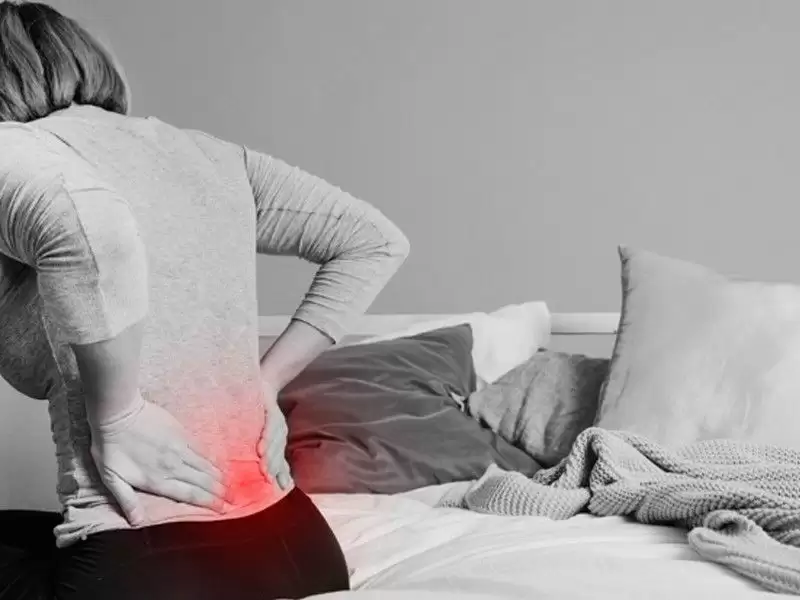
What Is Neck Pain?
Today, many people experience neck pain at least once in their lives. In diseases that cause neck pain, the pain is seen only in the nape in some people, while in others it may spread from the nape to the head, back, arms, and even the chest. In general, limitation in neck movements, numbness radiating to the arm and hand, a feeling of weakness in the hands, dizziness, and a feeling of lightheadedness are other complaints frequently expressed together with pain. Diseases that cause neck pain are very diverse. These include osteoarthritis (calcification) in the cervical spine, cervical hernia, myofascial pain syndromes, overuse-related pain, and pain developing as a result of injury. Neck pain is common in desk workers and computer users. Especially in women, the frequency of pain increases with age.
What Should We Do?
Your posture should be proper, and your neck-back region should be strengthened; your neck must be protected from trauma and repetitive stress. We should eat a balanced diet and increase our daily physical activity.
For Desk Workers
- You should take frequent short breaks while sitting at the desk and stand up; taking short walks and doing stretching exercises is important.
- You should adjust your chair so that your hips are level with your knees, with your knees slightly lower, and your head and neck should be in the correct position.
In General
- We should not sleep with a very thick pillow. Sleeping face down may increase your neck pain and limitation, so sleeping on your back or side is more appropriate.
- You need to avoid activities that require you to bend your head downward for long periods.
- Performing stretching and strengthening exercises for the neck is important in the long term to prevent recurrence of pain. For your general health, you should take walks and, if possible, swim for spinal health.

Treatment of Neck Pain
In the treatment of neck pain, first identifying the source of the pain and planning the treatment accordingly is the most appropriate approach. The source of some neck pain may be cervical hernias or tumors. Some cases of cervical hernia can improve with non-surgical methods such as medication and physical therapy. However, surgical treatment is applied in cases such as deterioration in bladder and bowel functions, progression of muscle weakness and sensory deficit despite appropriate treatment, and inability to relieve pain due to nerve root compression with other treatment methods.
Physical therapy: In many people, improvement in neck pain can be achieved with physical therapy. In physical therapy, it is aimed to relax the muscles and relieve soft tissue pain by benefiting from the physiological effects of heat, cold, and electrical stimulation. Traction methods may be used to reduce nerve root pain and pressure.
Drug treatment: In neck pain, painkillers, anti-inflammatory drugs, muscle relaxants, sleep-regulating medications, and antidepressants may be used. Drug treatment must absolutely be arranged by a physician.
In some patients, manually performed spinal mobilization and manipulation treatments are also quite promising. However, they must definitely be applied by trained and experienced physicians in this field. Injections into soft tissue, neck joints, or the epidural space are also beneficial in suitable patients.
In neck pain, especially in acute neck injuries, a cervical collar may be given. Since long-term or continuous use may cause weakening of the neck muscles and limitation in neck movements, short-term use is recommended.
Rehabilitation: Regardless of which treatment is applied, for a lasting recovery, the neck exercise program arranged by the doctor constitutes the basis of treatment. The exercise program is arranged separately for each patient. Corrective exercises, neck muscle stretching exercises, and neck muscle strengthening exercises are applied.