
How Is Spondylolisthesis Treated?
Treatment of spondylolisthesis is addressed within a broad framework ranging from medications to bed rest, various exercises, physical therapy methods, different injections applied to the lower back, and surgical methods.
Spondylolisthesis Treatment with Medication
In cases where the pain is not severe or is felt at certain intervals, surgery is not required, and painkillers and rest are recommended. Depending on the patient’s history, drug treatment is supported with physiotherapy. In cases where the pain is severe or when the patient refuses surgery, an injection (epidural steroid) is administered between the painful vertebrae and pain-relieving medications are given to that area, but this procedure does not cure the patient; it only provides temporary relief. A lumbar brace may be used.
Spondylolisthesis Physical Therapy
It is a whole consisting of hot and cold compresses, TENS applications, finding positions that relieve the vertebrae, activating the muscles, and exercises. Physical therapy does not end in physiotherapy centers; you need to continue the treatment with the exercises and compresses recommended by your physician.
Spondylolisthesis Surgical Treatment
Surgical intervention is necessary in patients whose pain does not improve despite medication or physical therapy. Surgery is an important decision in spinal region problems. Surgical intervention in spondylolisthesis can be considered in two ways. First; if the signs of pressure on the nerves are very severe in sudden cases of spondylolisthesis, if there is a possibility of sudden paralysis or permanent disability, the patient should be taken to surgery without delay.
Otherwise, disorders that cannot be corrected later may occur. Second, if the sudden changes mentioned above are not present and the condition has not improved with other treatment methods, the patient is taken for surgical intervention. Surgical treatment is aimed at stabilizing and supporting the slipped part of the spine with instruments.
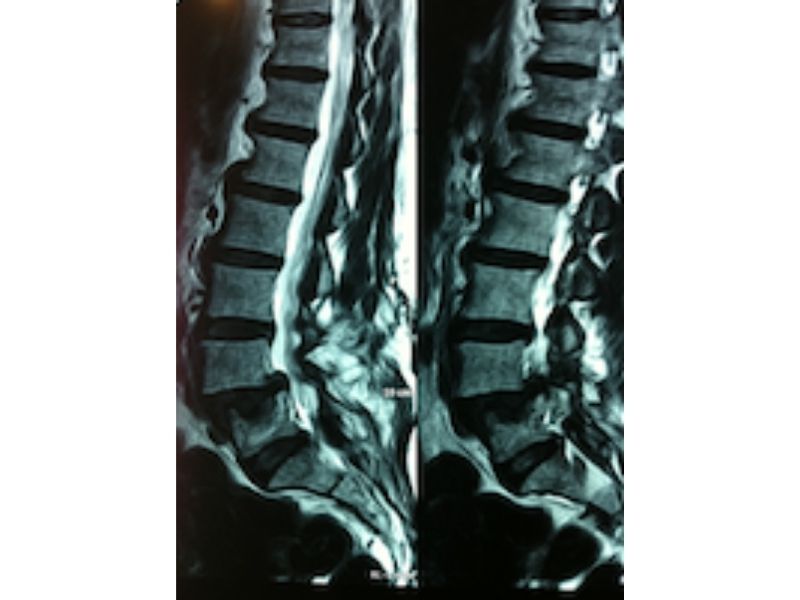
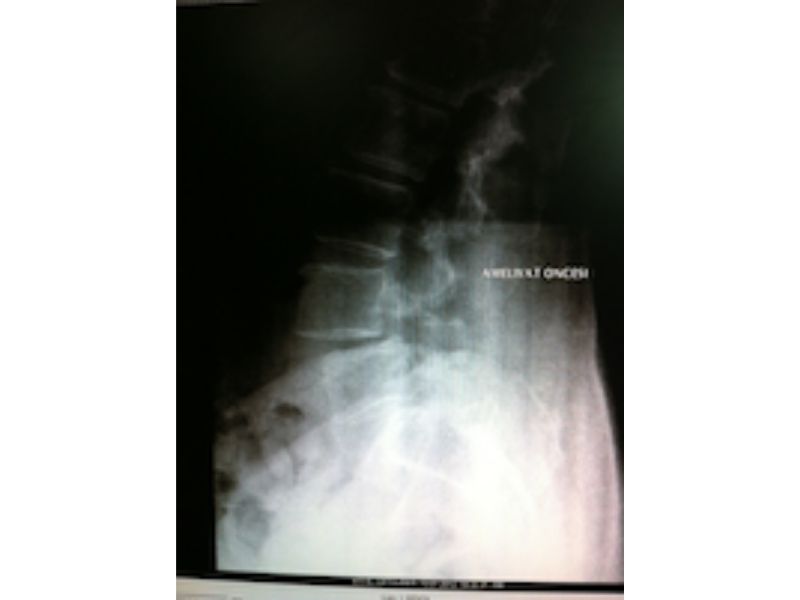
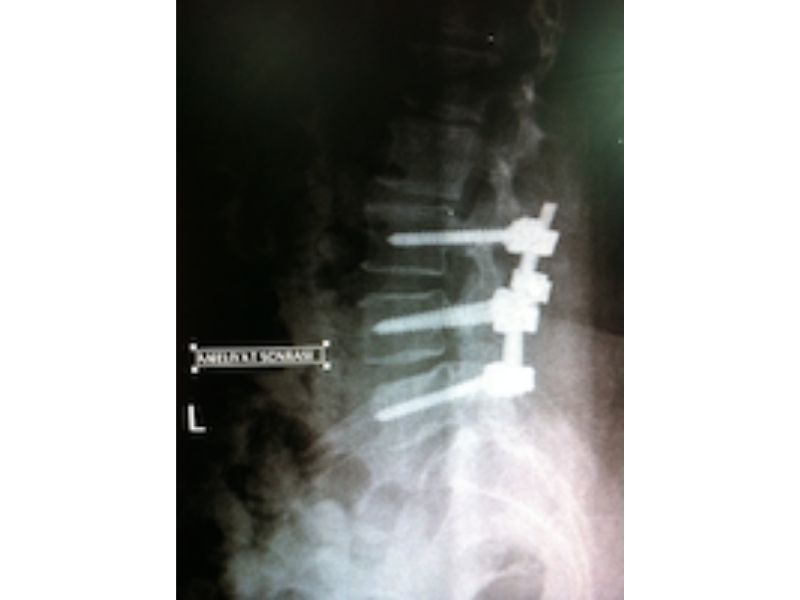
*Forward slippage of the L4 vertebra over the L5 vertebra (a,b); after surgery, the L4 and L5 vertebrae were brought back into alignment with the help of screws.