
Subdural hemorrhage is a serious type of brain hemorrhage that occurs when blood accumulates between the membranes surrounding the brain and requires early recognition. In particular, head trauma, advanced age, the use of blood-thinning medication, and a history of falls require careful attention in relation to this condition. What subdural hemorrhage is, which symptoms indicate it, and how the treatment process progresses are important questions for accurately assessing the patient’s condition. Evaluation by a neurosurgery specialist plays a key role in determining the impact of the hemorrhage and the follow-up plan.
- What Is Subdural Hemorrhage?
- What Causes Subdural Hemorrhage?
- What Are the Symptoms of Subdural Hemorrhage?
- What Is Acute Subdural Hemorrhage?
- What Is Chronic Subdural Hemorrhage?
- How Is Subdural Hemorrhage Recognized?
- How Is Subdural Hemorrhage Diagnosed?
- How Is Subdural Hemorrhage Treatment Planned?
- When Is Surgery Required for Subdural Hemorrhage?
- Recovery Process After Subdural Hemorrhage
What Is Subdural Hemorrhage?
Subdural hemorrhage occurs when blood accumulates in the subdural space between the membranes covering the surface of the brain. This bleeding most often develops when the veins between the brain and the outer membrane called the dura tear, and the accumulated blood may place pressure on brain tissue.
This condition does not progress at the same rate in every patient. In some people, symptoms appear immediately after the trauma, while in others they may gradually become noticeable over days or weeks. Therefore, signs such as headache, confusion, or loss of strength should be taken seriously even after seemingly minor head injuries.
Subdural hemorrhage is not merely an accumulation of blood seen on imaging; it is also a condition that may place the brain under pressure, impair nervous system functions, and lead to life-threatening consequences. Therefore, early diagnosis and proper follow-up are among the most important stages of the recovery process.
What Causes Subdural Hemorrhage?
Causes of subdural hemorrhage most commonly include head trauma. Traffic accidents, falls, sports injuries, physical assault, falls from height, and simple household accidents in older adults may cause this type of bleeding. Because brain volume may decrease with age, the blood vessels become more vulnerable, and even low-impact blows may cause bleeding.
The use of blood-thinning medication, clotting disorders, alcohol use, previous brain surgery, and repeated head trauma may increase the risk. Follow-up is important, especially in older patients, even when symptoms do not appear immediately after a fall, because chronic subdural hemorrhage may enlarge silently over time.
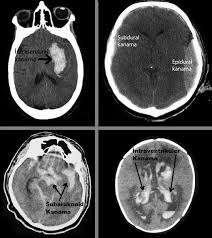
Traumatic subdural hemorrhage develops when blood vessels tear following a blow to the head. The severity of the impact, the patient’s age, existing medical conditions, and medications may affect the course of the bleeding. Therefore, an assessment should not be based solely on visible wounds or swelling after trauma.
What Are the Symptoms of Subdural Hemorrhage?
Symptoms of subdural hemorrhage vary depending on the speed and amount of bleeding and the pressure it places on the brain. Headache, nausea, vomiting, dizziness, drowsiness, speech impairment, loss of balance, confusion, seizures, and weakness on one side of the body may occur.
In acute hemorrhages, symptoms generally develop more rapidly and may be more severe. The patient may lose consciousness shortly after the trauma, have difficulty responding to their surroundings, or experience rapidly progressing neurological signs. This condition requires urgent evaluation.
In chronic cases, the signs may be more subtle. Mild headache, forgetfulness, personality changes, imbalance while walking, slowed speech, or general weakness may be mistaken for signs of aging. Therefore, new behavioral changes that develop particularly after a fall should be taken seriously.
What Is Acute Subdural Hemorrhage?
Acute subdural hemorrhage is a type of bleeding that usually develops shortly after severe head trauma and may progress rapidly. Blood may accumulate on the surface of the brain, increase intracranial pressure, and impair the normal function of brain tissue.
Headache, loss of consciousness, seizures, weakness in an arm or leg, speech impairment, and changes in breathing may occur in this condition. Because the patient’s neurological status may deteriorate rapidly, early brain CT imaging and neurosurgical evaluation are required.
The treatment plan is determined according to the thickness of the hemorrhage, whether there is a midline shift in the brain, the patient’s level of consciousness, and any additional injuries. Close monitoring may be sufficient for some patients, while surgical intervention may be required when the bleeding causes pressure.
What Is Chronic Subdural Hemorrhage?
Chronic subdural hemorrhage is a more slowly progressing form of bleeding that usually causes symptoms days or weeks after the trauma. It may occur more frequently in older adults, people who use blood-thinning medication, and those who have previously experienced minor head trauma.
In this condition, the bleeding may not cause obvious symptoms at first. Over time, the accumulation of blood increases and pressure develops on the brain. Headache, forgetfulness, reduced attention, drowsiness, difficulty walking, and behavioral changes may occur.
Chronic subdural hemorrhage may sometimes be mistaken for dementia, stroke, or general signs of aging. Therefore, imaging is important for diagnosis in patients who have recently fallen and developed new neurological signs.
How Is Subdural Hemorrhage Recognized?
To recognize subdural hemorrhage, the patient’s medical history, symptoms, and neurological examination are evaluated together. Headache, changes in consciousness, vomiting, seizures, imbalance, or one-sided weakness after head trauma are among the warning signs.
Some patients may seek medical attention late because they consider the trauma insignificant. However, subdural hemorrhage may develop even after a simple fall, particularly in older adults. The absence of an externally visible wound does not mean that there is no bleeding in the brain.
Family observations are also valuable at this point. Sleeping more than usual, changes in speech, appearing distracted, stumbling while walking, or differences in behavior may require medical evaluation.
How Is Subdural Hemorrhage Diagnosed?
The first steps in diagnosis are a detailed medical history and neurological examination. The timing of the trauma, medications used, level of consciousness, reflexes, muscle strength, speech, and eye findings are evaluated. Brain imaging methods are then used to examine the location and effects of the hemorrhage.
Brain computed tomography is frequently used because it provides rapid results, especially in emergencies. Magnetic resonance imaging may be preferred in some chronic cases or situations requiring detailed evaluation. The thickness and extent of the hemorrhage and the pressure it places on brain tissue are assessed on imaging.
Blood tests may be used to evaluate clotting status, blood count, and the effects of blood-thinning medication. Diagnosis is not limited to identifying the hemorrhage; the patient’s general condition, neurological findings, and the risk of progression are considered together.
How Is Subdural Hemorrhage Treatment Planned?
Subdural hemorrhage treatment is not applied in the same way for every patient. The amount of bleeding, the patient’s age, level of consciousness, neurological findings, additional medical conditions, and imaging results determine the treatment decision. Close follow-up may be preferred for small hemorrhages that cause no symptoms or pressure.
During follow-up, the patient’s neurological status is monitored, and repeat imaging is performed when necessary. If new signs such as worsening headache, impaired consciousness, seizures, or loss of strength develop, the treatment plan is reassessed.

Surgical options may be considered for larger hemorrhages that place pressure on the brain or worsen the patient’s condition. The aim of treatment is to reduce the accumulation of blood, relieve pressure on the brain, and help preserve neurological functions.
When Is Surgery Required for Subdural Hemorrhage?
Surgery for subdural hemorrhage may be required when the bleeding creates significant pressure on the brain, impairs consciousness, or causes neurological deficits. The thickness of the hemorrhage, whether there is a shift in the brain’s midline, and the patient’s findings are evaluated together on imaging.
The surgical method may vary according to the type of hemorrhage. In chronic hemorrhages, drainage of the blood through small openings may be preferred, while more extensive surgical approaches may be required in acute and severe hemorrhages. The appropriate method is determined by a neurosurgery specialist according to the patient’s condition.
The distinction between epidural and subdural hemorrhage is also important for treatment planning. Epidural hemorrhage usually develops between the skull and the outer membrane of the brain, whereas subdural hemorrhage occurs beneath the membrane covering the brain. These two conditions may involve different vascular structures, patterns of spread, and levels of urgency.

Recovery Process After Subdural Hemorrhage
The recovery process after subdural hemorrhage varies according to the severity of the bleeding, the patient’s age, when treatment begins, and the extent to which brain tissue has been affected. Some patients may return to daily life within a short time, while others may require physical therapy, speech support, or long-term neurological follow-up.
During the postoperative period, headache, level of consciousness, wound healing, seizure risk, and the possibility of recurrent bleeding are monitored. Follow-up examinations and imaging are important for evaluating whether the hemorrhage is resolving. Medication adjustments should also be planned for patients who use blood-thinning medication.
Risks of subdural hemorrhage may include pressure on the brain, seizures, permanent neurological damage, loss of consciousness, recurrent bleeding, and life-threatening progression. Therefore, during recovery, medical advice should be followed, the risk of falls should be reduced, and new symptoms should be evaluated without delay.
Preventing subdural hemorrhage primarily involves reducing head injuries. Reducing the risk of falls at home for older adults, using non-slip flooring in the bathroom, ensuring the safety of stairs and rugs, wearing a seat belt while driving, and using protective equipment during high-risk sports are among the preventive measures. Regular medical follow-up for people who use blood-thinning medication may also help reduce the possible risk of bleeding.
Frequently Asked Questions About Subdural Hemorrhage
Can a Subdural Hemorrhage Resolve on Its Own?
Small subdural hemorrhages that do not cause pressure may regress with close monitoring in some patients. However, this condition, which is researched with the question of what a subdural hemorrhage is, is a serious brain hemorrhage that always requires a doctor's evaluation.
Can Mild Head Trauma Cause a Subdural Hemorrhage?
Yes, especially in older individuals or people who use blood-thinning medications, even mild impacts can cause traumatic subdural hemorrhage. If there is a headache, drowsiness, or confusion after a fall, an evaluation should be performed without delay.
Are Subdural Hemorrhage and Epidural Hemorrhage the Same Thing?
No, the distinction between epidural and subdural hemorrhage is made according to the location of the bleeding between the membranes of the brain. Epidural hemorrhage develops between the skull and the outer membrane, while subdural hemorrhage develops in the membrane space closer to the surface of the brain.
Who Is Most Commonly Affected by Subdural Hemorrhage?
Older individuals, people at frequent risk of falling, those who use blood-thinning medications, and those who have experienced head trauma are in higher-risk groups. Therefore, when evaluating the causes of subdural hemorrhage, the patient's age, medications, and trauma history are examined together.
Can a Subdural Hemorrhage Cause Permanent Damage?
The size of the hemorrhage, the duration of pressure on the brain, and the time treatment is started affect the risk of permanent damage. The risks of subdural hemorrhage may include seizures, loss of strength, impaired consciousness, and permanent neurological impairment in some patients.
What Should Be Considered to Prevent a Subdural Hemorrhage?
Regarding how a subdural hemorrhage can be prevented, the most important point is reducing head trauma. Reducing the risk of falls at home, wearing a seat belt, and monitoring blood-thinning medications under a doctor's supervision may be protective.
Is Follow-Up Necessary After a Subdural Hemorrhage?
Yes, follow-up examinations are important even if the hemorrhage regresses or surgery is performed. During the follow-up process, brain imaging results, neurological condition, and the possibility of recurrent bleeding are evaluated together.