
Epidural hemorrhage is an important type of brain hemorrhage that can develop rapidly after head trauma and requires early intervention. Understanding this condition correctly ensures that medical attention is sought without delay when epidural hemorrhage symptoms occur. Especially after a fall, traffic accident, impact, or sports injury, if there is concern about whether epidural hemorrhage is dangerous, the symptoms should be monitored carefully.
- What Is Epidural Hemorrhage?
- What Causes Epidural Hemorrhage?
- What Are the Symptoms of Epidural Hemorrhage?
- Epidural Hemorrhage After Head Trauma
- How Is Epidural Hemorrhage Identified?
- Why Is Loss of Consciousness Important in Epidural Hemorrhage?
- Who Can Develop Epidural Hemorrhage?
- How Is Epidural Hemorrhage Diagnosed?
- How Is Treatment for Epidural Hemorrhage Planned?
- When Is Surgery Required for Epidural Hemorrhage?
- Recovery Process After Epidural Hemorrhage
- Frequently Asked Questions About Epidural Hemorrhage
What Is Epidural Hemorrhage?
Epidural hemorrhage occurs when blood accumulates between the skull bone and the dura, the outermost membrane surrounding the brain. Commonly searched as what is epidural hemorrhage, this condition usually develops due to blood vessel damage after head trauma and may exert external pressure on brain tissue.
In this type of hemorrhage, pressure may rise rapidly because blood accumulates within a confined area inside the skull. As the pressure increases, headache, nausea, vomiting, drowsiness, confusion, and neurological deterioration may occur. One of the most important characteristics of epidural hemorrhage is that some patients may experience a brief period of apparent well-being immediately after the trauma. Even if the person initially appears well, their level of consciousness may change rapidly in the following hours.
What Causes Epidural Hemorrhage?
Causes of epidural hemorrhage most commonly include head trauma. Traffic accidents, falls from height, severe blows to the head, sports injuries, and occupational accidents may lead to the development of epidural hemorrhage.
If a skull fracture occurs during the trauma, blood vessels running beneath the bone may be damaged. Particularly in arterial bleeding, blood may accumulate rapidly and pressure on the brain may increase within a short time.

Less commonly, bleeding disorders, the use of blood-thinning medications, or problems related to vascular structure may also increase the risk. Therefore, after head trauma, assessment should not be limited to externally visible findings; the risk of intracranial bleeding must also be considered.
What Are the Symptoms of Epidural Hemorrhage?
Symptoms of epidural hemorrhage vary according to the severity of the trauma, the size of the hemorrhage, and the degree of pressure on the brain. Epidural hemorrhage symptoms may include severe headache, nausea, vomiting, dizziness, drowsiness, confusion, and seizures.
Some patients may develop speech impairment, weakness in an arm or leg, loss of balance, blurred vision, and a difference in pupil size. These findings may indicate that brain tissue is under pressure.
The fact that symptoms do not appear immediately after head trauma does not mean that the condition is mild. Post-trauma monitoring is important because sudden deterioration may occur after a brief period in which the person appears well.
Epidural Hemorrhage After Head Trauma
Epidural hemorrhage after head trauma may occur particularly following blows to the side of the head. Damage to the blood vessels in this area may cause blood to accumulate rapidly between the skull and the membrane surrounding the brain.
Loss of consciousness after trauma, followed by regaining consciousness and then experiencing drowsiness or confusion again, is a pattern that requires attention. This course does not occur in every patient, but when it does, urgent evaluation is necessary.
In children, young adults, and physically active individuals, epidural hemorrhage after falls or sports injuries may be overlooked. Therefore, no time should be lost if the headache progressively worsens after trauma, vomiting occurs, or behavioral changes develop.
How Is Epidural Hemorrhage Identified?
Epidural hemorrhage cannot be diagnosed definitively based solely on symptoms. The history of trauma, neurological examination, and imaging methods are evaluated together.
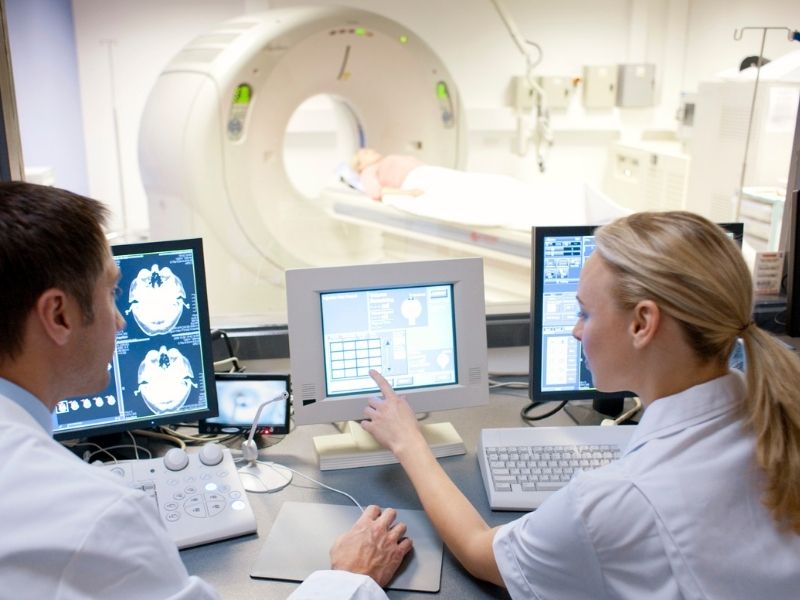
Computed tomography is the most commonly used imaging method in emergency situations. CT imaging can be used to assess the location and size of the hemorrhage, the pressure it exerts on brain tissue, and whether a skull fracture is present.
During the examination, the level of consciousness, pupils, strength in the arms and legs, speech, reflexes, and neurological responses are assessed. These findings are important in determining whether the patient should be managed with observation or urgent intervention.
Why Is Loss of Consciousness Important in Epidural Hemorrhage?
Loss of consciousness in epidural hemorrhage may indicate that the brain has been affected by the trauma or increased intracranial pressure. Even a brief loss of consciousness should be taken seriously, and urgent evaluation should be performed, especially if it is accompanied by headache, vomiting, or drowsiness.
In some patients, loss of consciousness occurs at the time of trauma, after which the person may feel well. However, if the bleeding continues, pressure on the brain may increase within hours and the level of consciousness may deteriorate again.
Therefore, inability to awaken the person, increasing inattentiveness, impaired speech, or reduced communication with their surroundings after head trauma are serious warning signs. When these symptoms are observed, emergency medical assistance should be sought without waiting.
Who Can Develop Epidural Hemorrhage?
Epidural hemorrhage can occur at any age, but greater caution is required in children, young adults, older individuals, and people involved in sports who have experienced head trauma. Traffic accidents, bicycle and motorcycle accidents, falls, and contact sports may increase the risk.
In people taking blood-thinning medications, the risk of intracranial bleeding may be higher even when the trauma appears mild. Head injuries in older adults should be monitored more closely because of balance problems and an increased risk of falls.

Symptoms in children may not always be obvious. Excessive drowsiness, restlessness, recurrent vomiting, reduced interest in feeding, or behavioral changes should be taken into account after trauma.
How Is Epidural Hemorrhage Diagnosed?
Diagnosis of epidural hemorrhage is made based on the patient's trauma history, examination findings, and brain imaging. The primary goal during emergency evaluation is to quickly determine the presence of bleeding and its effect on the brain.
Computed tomography is an important method for showing the location and volume of the hemorrhage. Findings that may affect the treatment decision, such as skull fracture, midline shift, and brain compression, can also be evaluated.
When necessary, blood tests are used to assess coagulation status, blood count, and the effects of medications being used. This information helps establish a safe surgical or follow-up plan.

How Is Treatment for Epidural Hemorrhage Planned?
Treatment of epidural hemorrhage is planned according to the patient's level of consciousness, the size of the hemorrhage, neurological findings, and imaging results. Small hemorrhages that do not cause pressure or neurological deterioration may be monitored closely.
In patients who require follow-up, monitoring the level of consciousness, neurological examinations, and follow-up imaging are important. Enlargement of the hemorrhage, worsening headache, recurrent vomiting, or deterioration in consciousness may change the treatment plan.
Surgical intervention may be required for epidural hemorrhages that create significant pressure on the brain, show a tendency to enlarge, or cause impaired consciousness. This decision is made by a neurosurgery specialist, taking the patient's overall condition into account.
When Is Surgery Required for Epidural Hemorrhage?
Epidural hemorrhage surgery may be considered when the bleeding places severe pressure on the brain, the patient's consciousness deteriorates, neurological deficits develop, or imaging reveals a large collection of blood. The aim is to drain the accumulated blood and reduce pressure on the brain.
During surgery, the bleeding area is accessed, the accumulated blood is removed, and the vessel causing the bleeding is controlled. Fracture areas associated with the skull bone are also evaluated when necessary.
The decision to operate may be made under emergency conditions because delay can increase the risk of permanent damage to brain tissue. Early diagnosis and timely intervention can significantly affect the chances of recovery.
Recovery Process After Epidural Hemorrhage
Recovery after epidural hemorrhage varies according to the size of the hemorrhage, the timing of intervention, the patient's age, accompanying brain damage, and overall health. Recovery may progress more favorably in patients whose condition is recognized early and treated promptly.
During the postoperative period, intensive care monitoring, neurological examinations, follow-up imaging, and supportive treatments may be required. The patient's level of consciousness, motor strength, speech, and ability to return to daily life are evaluated regularly.

After discharge, findings such as headache, seizures, weakness, balance problems, or behavioral changes should be monitored. where epidural hemorrhage occurs and how much pressure it places on the brain may affect the course of recovery.
Epidural hemorrhage is a serious condition that should not be underestimated but can be brought under control with early diagnosis and appropriate treatment. Careful evaluation of symptoms that develop after head trauma may help reduce the risk of permanent damage and support the patient's safe recovery.
Frequently Asked Questions About Epidural Hemorrhage
Can an epidural hemorrhage resolve on its own?
A small epidural hemorrhage that does not cause compression may be monitored with close follow-up in some patients. However, this decision must always be made following an evaluation by a neurosurgeon.
Which symptoms after a head injury should be taken seriously?
Increasing headache, vomiting, drowsiness, and confusion after head trauma are important signs of epidural hemorrhage. If these symptoms are present, an urgent medical evaluation is required.
Can an epidural hemorrhage be life-threatening?
The question of whether an epidural hemorrhage is dangerous is frequently researched, especially after head trauma, and this condition is considered serious because it can progress rapidly. Early diagnosis and appropriate intervention may reduce the risk to life.
Where does an epidural hemorrhage develop?
The answer to the question of where an epidural hemorrhage occurs is the area between the skull bone and the membrane surrounding the brain called the dura. Blood may accumulate in this area and compress the brain tissue.
Does every epidural hemorrhage require surgery?
Epidural hemorrhage surgery is not required for every patient; small, stable hemorrhages that do not cause symptoms may be monitored. Surgery may be required for large hemorrhages that cause compression or changes in consciousness.
In which situations does an epidural hemorrhage most commonly occur?
Common causes of epidural hemorrhage include traffic accidents, falls, sports injuries, and severe blows to the head. The development of vascular damage together with a skull fracture may increase the risk.
What is the most essential information about epidural hemorrhage?
When patients research what an epidural hemorrhage is, they should know that it is an accumulation of blood between the skull and the brain membrane following head trauma. The treatment plan for an epidural hemorrhage is determined by considering the size of the hemorrhage, the patient’s level of consciousness, and the pressure it creates on the brain tissue.