
Subarachnoid hemorrhage is a serious type of brain hemorrhage that develops when blood leaks into the space between the membranes surrounding the brain. Since one of the most important causes is aneurysm rupture, early diagnosis and appropriate treatment are vital. A sudden and extremely severe headache is one of the most notable symptoms of subarachnoid hemorrhage. Therefore, the relationship between brain hemorrhage and aneurysm should be evaluated without delay.
- What Is Subarachnoid Hemorrhage?
- What Causes Subarachnoid Hemorrhage?
- What Is Aneurysmal Hemorrhage?
- How Does a Brain Aneurysm Develop?
- What Are the Symptoms of Subarachnoid Hemorrhage?
- Why Is a Sudden Severe Headache Important?
- Who Is More Likely to Experience Subarachnoid Hemorrhage?
- How Is Subarachnoid Hemorrhage Diagnosed?
- How Is Treatment Planned for Aneurysmal Hemorrhage?
- When Is Surgery Required for Subarachnoid Hemorrhage?
- Recovery After Subarachnoid Hemorrhage
What Is Subarachnoid Hemorrhage?
The term what is subarachnoid hemorrhage refers to the accumulation of blood in the subarachnoid space located between the membranes surrounding the brain. This area is normally where cerebrospinal fluid circulates, and the accumulation of blood in this space may place pressure on brain tissue, vascular structures and the nervous system.
Subarachnoid hemorrhage develops suddenly and often requires emergency evaluation. The amount and location of the bleeding, the patient’s age, general health condition and the underlying cause of the hemorrhage directly affect the course of the condition.
What Causes Subarachnoid Hemorrhage?
When explaining what causes subarachnoid hemorrhage, vascular problems are among the most common causes. The formation of a balloon-like enlargement in the wall of a brain artery and the rupture of this structure are among the most important causes of bleeding.
Trauma, vascular malformations, blood clotting disorders, the use of blood-thinning medications and certain vascular diseases may also be among the causes of subarachnoid hemorrhage. However, in cases of sudden bleeding, the first condition generally investigated is a brain aneurysm.
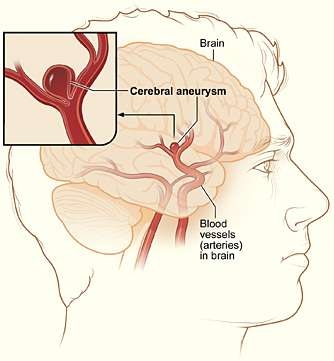
What Is Aneurysmal Hemorrhage?
The main point when explaining what is aneurysmal hemorrhage is that a weakened area in a brain artery becomes enlarged like a balloon and ruptures, causing bleeding. This condition may develop when the weakened vessel wall can no longer withstand the pressure inside the artery.
This condition, also commonly known as an aneurysmal brain hemorrhage, may present with headache, changes in consciousness and neurological problems. Even if the bleeding is minor, the patient should be monitored carefully because of irritation around the blood vessel, increased pressure in the brain and the risk of recurrent bleeding.
How Does a Brain Aneurysm Develop?
A brain aneurysm develops when structural weakness occurs in the wall of a blood vessel. Over time, this weakened area may enlarge and take on a balloon-like appearance, creating a risk of rupture when the pressure inside the vessel increases.
High blood pressure, smoking, family history, congenital differences in vascular structure and certain connective tissue disorders may affect this process. Therefore, the condition searched as what is a brain hemorrhage caused by an aneurysm includes not only the moment of bleeding but also the vascular changes that develop before the hemorrhage.

What Are the Symptoms of Subarachnoid Hemorrhage?
Symptoms of subarachnoid hemorrhage often begin suddenly, and patients may describe a headache more severe than any they have previously experienced. This pain may be accompanied by nausea, vomiting, neck stiffness, sensitivity to light, confusion or fainting.
Some patients may experience double vision, speech difficulties, weakness in an arm or leg, seizures or drowsiness. Although symptoms of aneurysmal hemorrhage may vary from person to person, a sudden and severe onset is the most important feature that distinguishes this condition from other types of headache.
Why Is a Sudden Severe Headache Important?
A headache that begins suddenly and feels explosive is a warning sign of subarachnoid hemorrhage. Pain that reaches its maximum intensity within seconds or minutes should not be considered a simple migraine or tension-type headache.
If this pain is accompanied by vomiting, neck stiffness, changes in consciousness or visual disturbances, emergency medical attention is required without delay. When considering whether subarachnoid hemorrhage is dangerous, the most important answer is that it may pose a life-threatening risk if early intervention is not provided.
Who Is More Likely to Experience Subarachnoid Hemorrhage?
Although subarachnoid hemorrhage may occur at any age, it may be more common among certain risk groups. People with uncontrolled high blood pressure, those who smoke, individuals with a family history of brain aneurysm and people with conditions affecting vascular health should be evaluated more carefully.
The risk may be higher in women, older adults and people who have previously been diagnosed with an aneurysm. Since the most common cause of subarachnoid hemorrhage is aneurysm rupture, a sudden headache should be taken seriously in patients with risk factors.
How Is Subarachnoid Hemorrhage Diagnosed?
The first step in diagnosis is evaluating the patient’s symptoms, examination findings and neurological condition. In patients with a sudden severe headache, changes in consciousness or neck stiffness, brain imaging methods are used to investigate bleeding.
Computed tomography, magnetic resonance imaging, vascular imaging and, when necessary, examination of the cerebrospinal fluid may assist with diagnosis. Once the location of the bleeding has been identified, the presence of an aneurysm is investigated and the treatment plan is created accordingly.
How Is Treatment Planned for Aneurysmal Hemorrhage?
Treatment of subarachnoid hemorrhage is planned according to the cause of the bleeding, the location and size of the aneurysm, the patient’s level of consciousness and general health characteristics. The aim is to prevent recurrent bleeding, control pressure in the brain and reduce risks such as vasospasm.
In the treatment of brain hemorrhage caused by an aneurysm, surgical clipping or endovascular closure methods may be preferred depending on the patient’s condition. The appropriate method is determined through an evaluation by brain and neurosurgery.

When Is Surgery Required for Subarachnoid Hemorrhage?
Surgery for subarachnoid hemorrhage may be required, particularly to reduce the risk of recurrent bleeding from a ruptured aneurysm. In the surgical clipping method, the neck of the aneurysm is closed, preventing blood from entering the balloon-like structure.
In some patients, the aneurysm may be closed using methods performed through the blood vessels. The choice of treatment varies depending on the severity of the bleeding, the structure of the aneurysm and the patient’s neurological condition; therefore, an individualized decision should be made for each patient.
Recovery After Subarachnoid Hemorrhage
Recovery after subarachnoid hemorrhage varies depending on the severity of the bleeding and how early treatment is initiated. While some patients may return to their daily lives over time, others may require long-term follow-up for speech, movement, memory or balance problems.
During the period after aneurysmal hemorrhage, close monitoring is important because of the risk of recurrent bleeding, vasospasm, impaired cerebrospinal fluid circulation and neurological damage. When assessing whether subarachnoid hemorrhage can heal, early diagnosis, appropriate treatment, regular follow-up and rehabilitation play a determining role.
Does Subarachnoid Hemorrhage Require Emergency Intervention?
Does Subarachnoid Hemorrhage Require Emergency Intervention?
Yes, subarachnoid hemorrhage is a condition that can develop suddenly and pose a life-threatening risk. Emergency evaluation is required without delay, especially if there is a sudden and severe headache.
Can Aneurysm Bleeding Recur?
Aneurysm bleeding may carry a risk of recurrent bleeding when left untreated. Therefore, cerebral hemorrhage aneurysm treatment should be planned without delay.
Does a Brain Aneurysm Always Lead to Bleeding?
Not every brain aneurysm bleeds, but its size, location, and vascular structure may affect the risk. Regular monitoring is important in terms of aneurysmal cerebral hemorrhage.
How Can a Headache in Subarachnoid Hemorrhage Be Distinguished?
Among the symptoms of subarachnoid hemorrhage, the headache usually begins suddenly and is very severe. Patients may describe this pain as different from headaches they have experienced before.
Can Permanent Damage Occur After Aneurysm Bleeding?
The risk of permanent damage after aneurysm bleeding depends on the severity of the bleeding, the timing of treatment, and the degree to which the brain is affected. Early intervention may positively affect the recovery process.
Can Subarachnoid Hemorrhage Be Genetic?
In some individuals, family history may be a risk-increasing factor among the causes of subarachnoid hemorrhage. Medical evaluation is especially important if there is a family history of aneurysm.
Why Is Follow-Up Important After Subarachnoid Hemorrhage?
During the recovery period after subarachnoid hemorrhage, follow-up is required in terms of recurrent bleeding, vasospasm, and neurological effects. Regular check-ups support treatment success and a safe recovery.