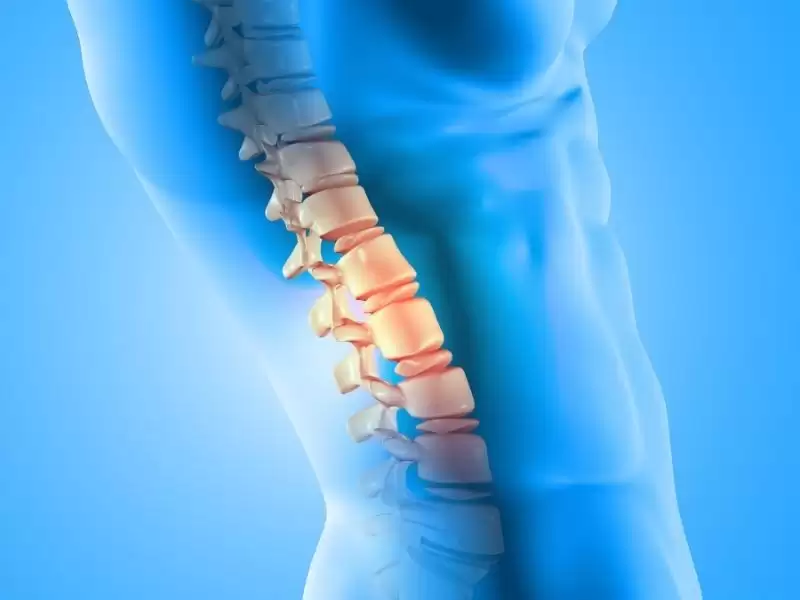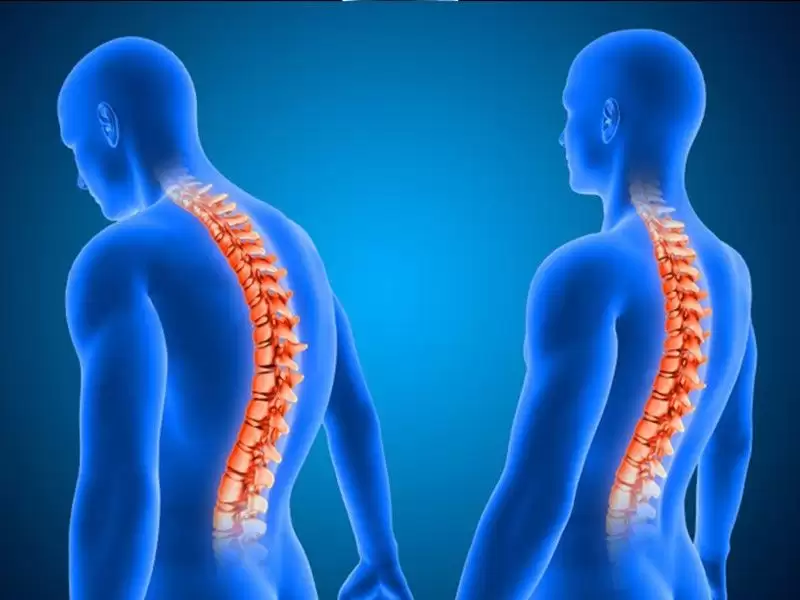
If you are experiencing pain radiating to your lower back and legs, and if you feel pain and numbness in the back of your legs after walking a certain distance; you may have spinal canal stenosis. Spinal canal narrowing, which is caused by reasons such as inactivity, obesity, heavy work tempo, and smoking, can negatively affect people’s quality of life and make them bedridden if left untreated. Brain and Neurosurgery Specialist Op. Dr. Umut Yaka provided information about the causes and treatment of spinal canal stenosis.
A Sedentary Lifestyle Causes Spinal Canal Stenosis
‘Spinal canal stenosis,’ which occurs as a result of the tissues in the neck, lower back, and back region thickening and calcifying over time and narrowing the canal through which the spinal cord passes, negatively affects people’s quality of life. Narrowing in the spinal canal, which occurs either as a result of congenital slipping of the vertebrae over one another and disruption of spinal balance or due to acquired causes, is generally seen more frequently in people between the ages of 50 and 70 and in those who have adopted a sedentary lifestyle
When Treatment Is Delayed, the Patient Becomes Bedridden
Working in heavy jobs, being overweight, smoking, calcifications occurring in the spinal cord due to aging, arthritis, herniated disc, scoliosis, and genetic factors are among the causes of spinal stenosis. If this condition is not taken seriously by people and is left untreated; pain radiating to the hips and legs may make the person bedridden.
Take Pain and Loss of Strength in the Legs Seriously
Narrowing may be seen throughout all spinal canals, or sometimes only in a certain region. Narrowing in the lumbar region causes symptoms such as lower back and leg pain, numbness in the legs, and weakness. Pain in the legs spreads from the hip to the knee region.
Pain that intensifies when standing and walking may be unilateral or bilateral. Postures such as squatting, lying down, and likewise sitting may also cause pain. Narrowing in the neck region, on the other hand, causes spinal cord damage and leads to balance problems in patients.
It Seriously Impairs People’s Quality of Life
Spinal canal stenosis is very often confused with a herniated disc because of the complaints experienced. Due to this condition, people’s walking distance decreases, and they increasingly bend forward because of pain radiating to the hips and legs. In the long term, patients may become unable to get out of bed. The balance problem caused by spinal canal narrowing may also become permanent and lead to damage. In some patients, difficulty urinating and having bowel movements may occur due to canal stenosis. Excessive weight gain also becomes inevitable because of canal stenosis, which causes a sedentary life.
The Microlumbar Laminectomy Method Provides Patient Comfort in Surgery
In patients with mild complaints and no spinal cord damage due to nerve compression, physical therapy and pain treatments may be beneficial or may delay the timing of surgery. However, surgery is inevitable in patients with advanced spinal canal narrowing. Surgical treatment is applied to patients who do not improve with medical treatment, develop loss of strength in the legs, and whose examination findings gradually worsen. In the “microlumbar laminectomy” method, which has begun to be used in spinal canal stenosis surgery in recent years, a smaller skin incision is made compared to classical methods, less muscle is cut, only one side of the lamina is removed, and the spinal canal is widened by shaving only the anterior (ventral) surface of the lamina on the other side. Thus, very little damage is given to the patient’s anatomical structure, the postoperative recovery period is much shorter, and the risks threatening spinal health in later life are reduced.
For a Healthy Spine…
For a healthy spine, it is very important to stand upright, not lift heavy loads, and sit correctly. In working life, posture disorders are inevitable in those who work at a desk and do not get up for long periods. In daily life; regular exercise, rest, correct posture, a comfortable working environment, and quality sleep will help reduce pain caused by posture disorders.