
Intracerebral hemorrhage is a serious condition caused by disruption of blood vessel integrity within the brain tissue. Commonly known as a brain hemorrhage, early recognition of this condition is vital because it develops suddenly. Brain hemorrhage symptoms may vary from person to person, and determining what causes a brain hemorrhage forms the basis of the treatment plan.
- What Is Intracerebral Hemorrhage?
- What Causes Intracerebral Hemorrhage?
- What Are the Symptoms of Intracerebral Hemorrhage?
- How Is a Brain Hemorrhage Diagnosed?
- Who Is More Likely to Experience Intracerebral Hemorrhage?
- How Is Intracerebral Hemorrhage Diagnosed?
- How Is Intracerebral Hemorrhage Treatment Planned?
- When Is Intracerebral Hemorrhage Surgery Required?
- Recovery Process After Intracerebral Hemorrhage
- Can Intracerebral Hemorrhage Recur?
- Frequently Asked Questions About Intracerebral Hemorrhage
What Is Intracerebral Hemorrhage?
Intracerebral hemorrhage occurs when blood leaks into or accumulates within the brain tissue. When bleeding begins, the surrounding brain cells may be placed under pressure, tissue oxygenation may be impaired, and intracranial pressure may increase. Therefore, this condition is not only a vascular problem but also an emergency that directly affects brain functions.
Because brain tissue is located within a closed skull, even small-volume hemorrhages may cause significant consequences depending on their location. Functions such as speech, movement, balance, vision, consciousness, and memory may be affected. Therefore, timely diagnosis and proper follow-up in intracerebral hemorrhages are crucial for the patient’s survival and recovery process.
What Causes Intracerebral Hemorrhage?
One of the most common causes of intracerebral hemorrhage is uncontrolled high blood pressure. Blood pressure that remains elevated for a prolonged period may weaken the walls of small blood vessels in the brain and cause them to rupture. Therefore, regular monitoring, medication adherence, and lifestyle adjustments are important for cerebrovascular health in patients with hypertension.
Arteriovenous malformations, aneurysms, the use of blood-thinning medications, coagulation disorders, head trauma, certain tumors, and age-related changes in vascular structure may also predispose a person to bleeding. Intracerebral hemorrhages may sometimes develop without any apparent trauma. Identifying the underlying cause is an important part of treatment to reduce the risk of recurrence.

What Are the Symptoms of Intracerebral Hemorrhage?
Intracerebral hemorrhage symptoms usually begin suddenly. Severe headache, nausea, vomiting, confusion, impaired speech, facial drooping, weakness in an arm or leg, numbness, loss of balance, and visual impairment are among the commonly observed findings. Some patients may experience seizures, drowsiness, or a reduced response to their surroundings.
The severity of the symptoms varies according to the location and size of the hemorrhage. A small hemorrhage may be noticed through mild speech impairment or arm weakness, while a large hemorrhage may progress to loss of consciousness. In the event of sudden neurological symptoms, emergency medical assistance should be sought rather than waiting.

How Is a Brain Hemorrhage Diagnosed?
A brain hemorrhage is suspected based on the patient’s complaints and neurological examination findings. If there is a sudden headache, one-sided weakness, speech impairment, or a change in consciousness, imaging must be performed without delay. During the initial assessment, the patient’s blood pressure, level of consciousness, pupils, and arm and leg movements are examined.
A definitive diagnosis is usually made with a brain computed tomography scan. Computed tomography rapidly shows the location and extent of the hemorrhage and the pressure it places on the brain tissue. In some cases, vascular structures are evaluated in detail using magnetic resonance imaging, computed tomography angiography, or conventional angiography. These examinations help determine whether an aneurysm or arteriovenous malformation underlies the hemorrhage.
Who Is More Likely to Experience Intracerebral Hemorrhage?
Although intracerebral hemorrhage is more common at an advanced age, it is not a condition that occurs only in older adults. The risk may increase in people with uncontrolled hypertension, those using blood-thinning medications, people with coagulation disorders, those who have previously experienced cerebrovascular disease, and individuals who have sustained head trauma. Smoking, excessive alcohol consumption, and irregular lifestyle habits may also negatively affect vascular health.
In younger patients, arteriovenous malformations, aneurysms, trauma, or congenital vascular abnormalities are investigated more extensively. A family history of cerebrovascular disease means that sudden and severe headaches should be taken seriously. Regular medical examinations, blood pressure monitoring, and avoiding the unsupervised use of medications are valuable preventive measures for people in risk groups.
How Is Intracerebral Hemorrhage Diagnosed?
The diagnostic process begins with an emergency assessment. The time at which the patient’s condition worsened, how the symptoms began, medications being used, history of hypertension, presence of trauma, and accompanying diseases are evaluated. A neurological examination provides important clues about which area of the brain has been affected by the hemorrhage.
Imaging methods are central to the diagnostic process. Brain computed tomography is one of the first preferred methods because it provides rapid results in emergency conditions. When necessary, angiographic examinations are performed to assess the vascular structure. Coagulation status, blood values, and the potential effects of medications being used are examined through blood tests. This allows both the cause of the hemorrhage and any conditions that may interfere with treatment to be identified.
How Is Intracerebral Hemorrhage Treatment Planned?
The treatment plan is determined according to the size and location of the hemorrhage, the patient’s level of consciousness, age, accompanying diseases, and whether the hemorrhage is progressing. In some patients, brain hemorrhage treatment involves intensive monitoring, blood pressure control, medications intended to reduce cerebral edema, and adjustment of medications that increase the risk of bleeding. The patient’s neurological condition is closely monitored throughout this process.
Not every intracerebral hemorrhage requires surgery. Close monitoring may be preferred for small hemorrhages that do not cause pressure and do not appear to be rapidly worsening the patient’s condition. However, surgical options are considered if the hemorrhage is enlarging, intracranial pressure is increasing, or severe pressure develops within the brain tissue. The aim of treatment is to control the bleeding, protect the brain tissue, and support vital functions.
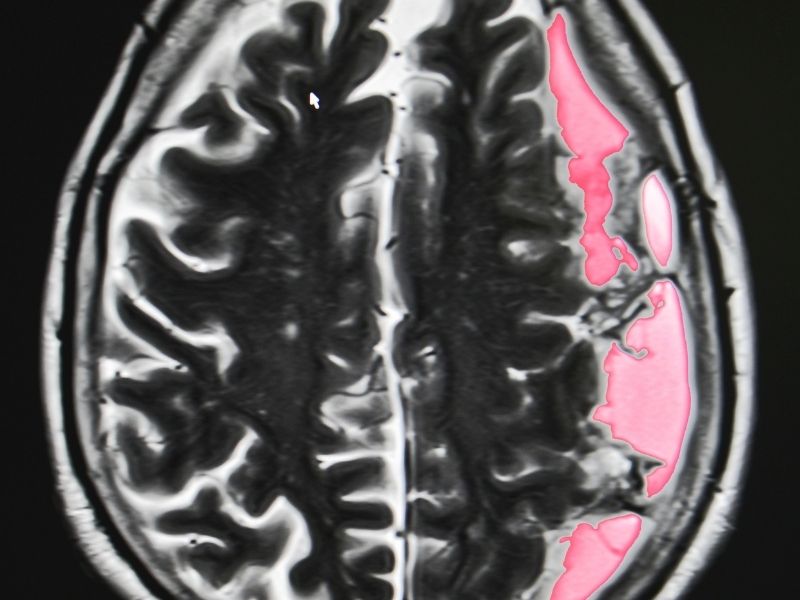
When Is Intracerebral Hemorrhage Surgery Required?
Intracerebral hemorrhage surgery is evaluated according to the location and volume of the hemorrhage and the pressure it causes in the patient. A deterioration in the level of consciousness, pressure on the brainstem, obstruction of cerebrospinal fluid circulation, or a hemorrhage being located close to the surface and suitable for evacuation may influence the surgical decision. In some patients, evacuation of the accumulated blood may be necessary to reduce intracranial pressure.
Brain hemorrhage surgery is not performed using the same method for every patient. Open surgery, minimally invasive evacuation, drainage procedures, or different interventions aimed at treating the underlying vascular problem may be planned. Neurosurgical assessment, imaging findings, and the patient’s general condition are considered together during the decision-making process. For patients searching for brain hemorrhage treatment in Ankara, timely assessment and referral to the appropriate medical specialty are important.

Recovery Process After Intracerebral Hemorrhage
The recovery process varies according to the location and size of the hemorrhage, the patient’s age, how early treatment was initiated, and accompanying diseases. Some patients may show significant recovery within a short period, while speech, movement, balance, or memory problems may persist for longer in others. Intensive care monitoring, inpatient care, and the rehabilitation plan are arranged according to the patient’s needs.
Physical therapy, speech therapy, swallowing assessment, nutritional planning, blood pressure control, and psychological support are important parts of recovery. Helping the patient’s relatives understand the process, using medications regularly, and attending follow-up appointments may help reduce the risk of recurrence. During neurosurgery assessments in Ankara, not only the patient’s need for surgery but also long-term follow-up and quality of life are taken into consideration.
Can Intracerebral Hemorrhage Recur?
Intracerebral hemorrhage may recur in some patients. The risk of recurrence primarily depends on whether the underlying cause has been controlled. Uncontrolled blood pressure, inappropriate use of blood-thinning medications, untreated vascular abnormalities, coagulation disorders, and lifestyle-related risks may increase the likelihood of another hemorrhage. Therefore, follow-up after discharge is as important as the continuation of treatment.
To reduce the risk of recurrence, blood pressure should be measured regularly, medications should not be discontinued without a doctor’s recommendation, smoking should be stopped, and sudden neurological symptoms should be taken seriously. During assessments within the scope of brain surgery in Ankara, the patient’s imaging results, vascular structure, and general health condition are evaluated together. With an appropriate follow-up plan, early warning signs can be recognized and long-term brain health can be protected more safely.
Frequently Asked Questions About Intracerebral Hemorrhage
Is intracerebral hemorrhage an emergency?
Yes, intracerebral hemorrhage is a serious condition that requires emergency evaluation. No time should be lost if there is a sudden change in consciousness, speech impairment, or weakness on one side of the body.
Can a person who has experienced a brain hemorrhage recover completely?
Recovery after a brain hemorrhage varies depending on the location and size of the bleeding and how quickly treatment is initiated. Early intervention and regular follow-up may increase the chance of recovery.
Can a headache be a warning sign of a brain hemorrhage?
A sudden, extremely severe headache that has never been experienced before may be among the symptoms of a brain hemorrhage. Emergency evaluation is required if the headache is accompanied by vomiting, confusion, or loss of strength.
Can high blood pressure cause intracerebral hemorrhage?
Uncontrolled high blood pressure is one of the most important risk factors for intracerebral hemorrhage. Therefore, blood pressure monitoring is highly important for protecting vascular health.
Do the causes of brain hemorrhage vary from person to person?
Yes, when evaluating what causes a brain hemorrhage, blood pressure, vascular abnormalities, trauma, the use of blood-thinning medications, and coagulation disorders are examined together. Understanding the cause is important for reducing the risk of recurrence.
Is surgery always necessary in the treatment of a brain hemorrhage?
No, brain hemorrhage treatment does not involve surgery for every patient. Brain hemorrhage surgery is planned according to the size of the bleeding, the pressure it places on the brain, and the patient’s neurological condition.
Which department should be consulted for a brain hemorrhage in Ankara?
Patients searching for brain hemorrhage treatment in Ankara should be evaluated in the field of neurosurgery. During neurosurgery and brain surgery consultations in Ankara, imaging results, examination findings, and the need for treatment are assessed together.