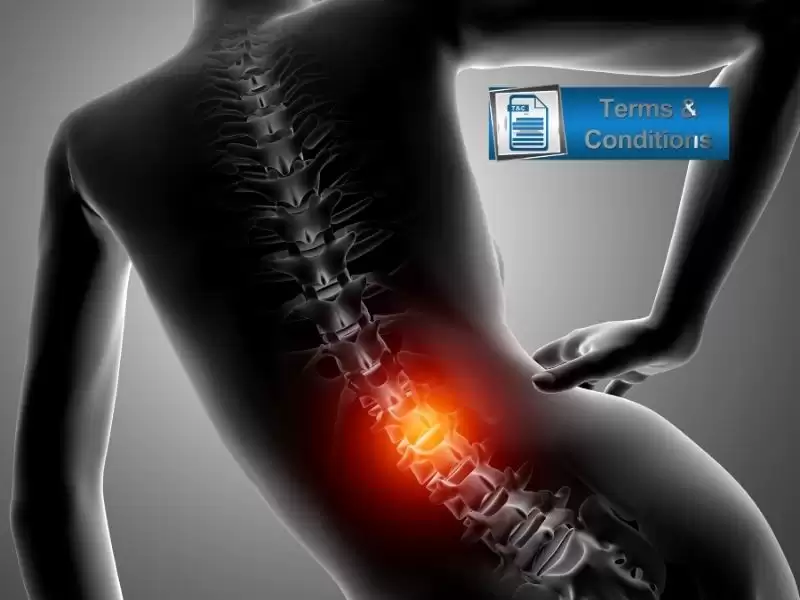
Lumbar disc herniation diagnosis is made not solely by reviewing imaging results, but by evaluating the patient's symptoms, examination findings, and nerve involvement together. A detailed assessment is especially necessary when lower back pain, leg pain, and restricted movement affect daily life. An accurate evaluation helps prevent unnecessary treatments while ensuring that an appropriate treatment plan is created in a timely manner.
- How Is a Lumbar Disc Herniation Diagnosed?
- Why Is MRI Important in the Diagnosis of Lumbar Disc Herniation?
- What Is Evaluated During a Lumbar Disc Herniation Examination?
- How Can a Lumbar Disc Herniation Be Recognized?
- How Are Lumbar Disc Herniation Symptoms Evaluated During Diagnosis?
- What Can Be Seen on a Lumbar Disc Herniation MRI?
- Does Every Lumbar Disc Herniation Require Surgery?
- What Does Nerve Compression Mean in Lumbar Disc Herniation Diagnosis?
- How Is the Treatment Plan Determined After Lumbar Disc Herniation Diagnosis?
- How Does the Process Progress After Lumbar Disc Herniation Diagnosis?
- Frequently Asked Questions About Herniated Discs
How Is a Lumbar Disc Herniation Diagnosed?
The first step in making a lumbar disc herniation diagnosis is listening to the patient's symptoms in detail. It is assessed when the pain began, whether it spreads to the lower back or the leg, and whether numbness or loss of strength is present. Pain that increases particularly with coughing, sneezing, bending, or prolonged sitting is important in terms of nerve root involvement.
The presence of pain alone is not sufficient during the diagnostic process. The doctor's examination, neurological assessment, and imaging results are interpreted together. Therefore, the phrase how is a lumbar disc herniation diagnosed describes a comprehensive evaluation process rather than a single test.
Why Is MRI Important in the Diagnosis of Lumbar Disc Herniation?
Magnetic resonance imaging allows the discs, nerves, and surrounding tissues in the lumbar spine to be examined in detail. A lumbar disc herniation MRI can show the level of the herniation, whether it is compressing a nerve, and whether there is narrowing in the spinal canal.
The treatment decision should not be based solely on the MRI result; the patient's symptoms and examination findings should also be considered. Some people may have a herniation visible on imaging without significant symptoms. Therefore, MRI findings must always be evaluated together with the patient's pain, examination findings, and the impact on daily life.

What Is Evaluated During a Lumbar Disc Herniation Examination?
During a lumbar disc herniation examination, lower back movements, muscle strength, sensory loss, reflexes, and nerve tension tests are evaluated. The patient's gait, ability to walk on the toes or heels, and whether there is a loss of strength in the legs provide important diagnostic information.
The purpose of the examination is not merely to determine the location of the pain. It investigates which nerve root may be associated with the pain, which level the herniation may affect, and whether there are findings that require urgent intervention. This evaluation is one of the most fundamental steps among lumbar disc herniation diagnostic methods.

How Can a Lumbar Disc Herniation Be Recognized?
When evaluating how to recognize a lumbar disc herniation, the way the pain spreads provides an important clue. Pain confined to the lower back may originate from muscles, joints, or connective tissues, while pain spreading from the lower back to the buttock and leg may suggest nerve involvement. Numbness, tingling, and an electric shock-like sensation are also considered during diagnosis.
Lumbar disc herniation does not cause the same symptoms in every patient. Mild lower back stiffness may be more prominent in some people, while others may experience severe leg pain, weakness in the foot, or a reduced walking distance. Therefore, the symptoms described by the patient are evaluated together with the examination and imaging.
How Are Lumbar Disc Herniation Symptoms Evaluated During Diagnosis?
Lumbar disc herniation symptoms may include pain spreading from the lower back to the leg, numbness, tingling, muscle weakness, and complaints that increase with movement. Pain that is one-sided, follows a specific nerve pathway, and does not completely resolve with rest may help guide the diagnosis.
The duration and severity of the symptoms are also important. Short-term and mild pain can often be monitored, whereas findings such as progressive loss of strength, problems controlling urination or bowel movements, and significant numbness in both legs require a more careful evaluation. These findings may determine not only the diagnosis but also the urgency of treatment.
What Can Be Seen on a Lumbar Disc Herniation MRI?
The MRI may show whether the disc is bulging, herniated, or compressing a nerve root. Whether the herniation is centrally located or positioned toward the right or left may provide insight into which leg could develop pain. Spinal canal narrowing, disc degeneration, and changes in the joint structures can also be evaluated.
Not every MRI finding may be equally related to the patient's symptoms. For example, mild disc bulges may not cause symptoms in many people. Therefore, a lumbar disc herniation diagnosis becomes clear according to whether the herniation seen on imaging is consistent with the patient's examination findings.
Does Every Lumbar Disc Herniation Require Surgery?
Not every patient who receives a lumbar disc herniation diagnosis requires surgery. In many patients, symptoms can be reduced through medication management, a rest plan, physical therapy, exercise, and lifestyle changes. The treatment plan is determined according to the patient's pain level, nerve involvement, and limitations in daily life.
Surgery is generally considered when there is progressive muscle weakness, severe nerve compression, intense leg pain that does not resolve despite treatment, or urgent findings related to urinary and bowel control. Therefore, the decision to operate is based not only on the MRI result but also on the patient's overall evaluation.

What Does Nerve Compression Mean in Lumbar Disc Herniation Diagnosis?
Nerve compression means that the herniated disc presses on a nerve root exiting the spinal canal. This can cause pain that spreads from the lower back to the buttock, thigh, leg, or foot. Depending on the level of compression, numbness, tingling, and reduced muscle strength may develop.
The degree of nerve compression is a determining factor in the diagnosis and treatment plan. Monitoring and nonsurgical treatments may be sufficient for mild compression, whereas more advanced treatment options are evaluated when there is significant compression and neurological loss. Therefore, examination results and MRI findings should be evaluated together during the diagnostic process.
How Is the Treatment Plan Determined After Lumbar Disc Herniation Diagnosis?
When creating a treatment plan, the patient's age, occupation, duration of pain, neurological findings, and imaging results are considered together. The needs of a patient who works at a desk may differ from those of a patient who performs heavy physical work. Therefore, the process following diagnosis should be arranged individually.
One of the most appropriate specialties regarding which doctor to see for a lumbar disc herniation diagnosis is neurosurgery. Patients searching for neurosurgery Ankara, especially when they have leg pain, loss of strength, numbness, and signs of nerve compression, may consult a specialist who can perform a detailed evaluation for lumbar disc herniation.

How Does the Process Progress After Lumbar Disc Herniation Diagnosis?
The priority after diagnosis is to create a safe roadmap according to the severity of the patient's symptoms and the degree of nerve involvement. For mild and moderate symptoms, monitoring, medication management, exercise, improving posture habits, and physical therapy options may be considered.
If the symptoms increase, weakness develops in the leg, or daily life becomes significantly restricted, the treatment plan is reviewed. Regular follow-up helps prevent unnecessary anxiety while supporting the right intervention at the right time. In lumbar disc herniation, the aim is not merely to see the herniation on the image, but to correctly identify the cause affecting the patient's quality of life.
Frequently Asked Questions About Herniated Discs
Does pain from a herniated disc always radiate to the leg?
Pain may not radiate to the leg in every patient with a herniated disc; some people may experience only lower back pain. However, if there is leg pain, numbness or tingling, an evaluation for nerve compression is required.
How is the initial evaluation performed when a herniated disc is suspected?
During the initial evaluation, the patient’s complaints are reviewed, and muscle strength, reflexes and sensory function are examined through a herniated disc examination. This process is the fundamental step in diagnosing a herniated disc.
Is a herniated disc MRI result sufficient on its own?
A herniated disc MRI result provides important information, but it is not sufficient on its own. A herniated disc diagnosis is confirmed by evaluating the MRI findings together with the patient’s complaints and examination results.
What does numbness indicate in a herniated disc?
Numbness may occur when the herniated disc affects a nerve root. Herniated disc symptoms should be examined more carefully, especially if there is numbness, weakness or a burning sensation in the leg.
When should herniated disc pain be taken seriously?
If there is persistent lower back pain, increasing leg pain, weakness in the foot or difficulty walking, evaluation should not be delayed. These findings may be associated with nerve compression.
What happens if the diagnosis of a herniated disc is delayed?
If the diagnosis of a herniated disc is delayed, the pain may become chronic and nerve involvement may progress. Therefore, if there is uncertainty about how a herniated disc is identified, specialist evaluation is important.