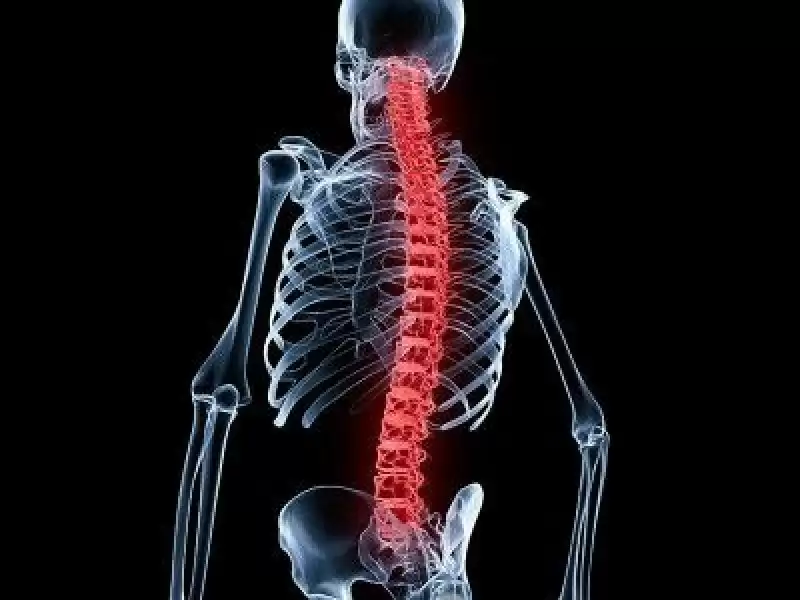
Frequently Asked Questions About Lumbar Spinal Stenosis
What Are the Symptoms of Lumbar Spinal Stenosis?
Although MRI may show severe narrowing in the spinal canal, many patients may have no symptoms. The most common complaints in patients diagnosed with lumbar spinal stenosis are pain, burning, tingling in both legs, and difficulty walking. When the patient wants to walk a short distance, they often feel the need to stop and rest frequently. If the condition progresses, the patient may wake up at night because of numbness and burning in the legs. Another sign that the disease is progressing is frequent cramping in the legs. At the most advanced stage, the patient may begin to experience urinary incontinence.
How Is Lumbar Spinal Stenosis Diagnosed?
By taking X-rays, Computed Tomography, and Magnetic Resonance Imaging (MRI), it is possible to demonstrate the narrowing in the spinal canal caused by narrowed disc spaces and thickened facet joints, as well as the compression of the spinal cord within the narrowed canal.
How Is Lumbar Spinal Stenosis Treated?
In the early stage, when there is only numbness or burning, the patient is advised to lose weight, and physical therapy and painkillers are recommended. If this narrowing is advanced, meaning the patient frequently feels the need to rest while walking or wakes up at night due to numbness, surgery is definitely required. In well-selected patients who are not treated too late, the canal is widened surgically and the pressure on the spinal cord and nerves is removed. This surgical procedure is called Lumbar Decompression or Laminectomy. After the spinal cord compression is relieved with surgery, the patient’s pain gradually decreases and disappears. In some cases of spinal stenosis, the vertebrae may have slipped over one another (spondylolisthesis). As a result, there may be abnormal movement between the vertebrae (instability). In such cases, spinal fusion surgery should also be performed in addition to decompression surgery to stabilize the relevant vertebrae. Spinal fusion is performed by placing bone fragments, bone-like materials, and/or metal instruments (instrumentation-screws) between the vertebrae to be fixed together.
After lumbar spinal stenosis surgery, the hospital stay is three days. Most patients are able to comfortably resume all their previous activities 6 to 9 months after surgery. Generally, the patient is included in a rehabilitation program after surgery in order to return to daily activities and a normal life. In addition, the patient may need to use a specially recommended brace for two months.
What Helps Spinal Canal Narrowing in the Lower Back?
Serious medical conditions such as spinal canal narrowing in the lower back do not have an herbal treatment, and professional medical treatment may be needed in such cases. Herbal supplements or medications may help relieve the symptoms caused by spinal canal narrowing in the lower back, but it is recommended to consult a doctor about their use. Controlled use of herbal supplements is especially important because some herbs may have side effects and may be harmful to health if not used in the correct doses.
What Are the Exercises for Spinal Canal Narrowing in the Lower Back?
Exercises for spinal canal narrowing in the lower back may help relieve symptoms and strengthen the muscles in the lower back region. However, the type and intensity of exercises may vary according to the severity of the symptoms and the patient’s general health condition, and they are recommended to be performed under the supervision of a physiotherapist or doctor. Exercises such as pelvic lifts, knee-to-chest stretches, alternating arm and leg raises in the quadruped position, and walking may be listed as examples.
What Does Non-Contrast Lumbar Vertebra Mean?
Non-contrast lumbar vertebra means an X-ray of the lumbar spine taken without the use of contrast material. This method may be used to show the structure of the lumbar spine and possible abnormalities. However, X-rays taken without contrast material are less detailed than images taken with contrast material and may be insufficient for diagnosis in some cases.
What Are the Symptoms of Narrowing in the Lower Back?
Narrowing in the lower back may present with symptoms such as pain radiating from the lower back to the hips, leg pain, and numbness. It is necessary to consult a doctor as soon as the symptoms are recognized.
Is There an Herbal Treatment for Spinal Canal Narrowing in the Lower Back?
Serious medical conditions such as spinal canal narrowing in the lower back do not have an herbal treatment, and professional medical treatment may be needed in such cases. Herbal supplements or medications may help relieve the symptoms caused by spinal canal narrowing in the lower back, but it is recommended to consult a doctor about their use. Controlled use of herbal supplements is especially important because some herbs may have side effects and may be harmful to health if not used in the correct doses.
Can Spinal Cord Narrowing Improve Without Surgery?
The treatment of the condition called spinal stenosis may vary depending on the current stage of the disease. However, definitive treatment of this condition is possible through surgical methods.