What Is Pituitary Adenoma?
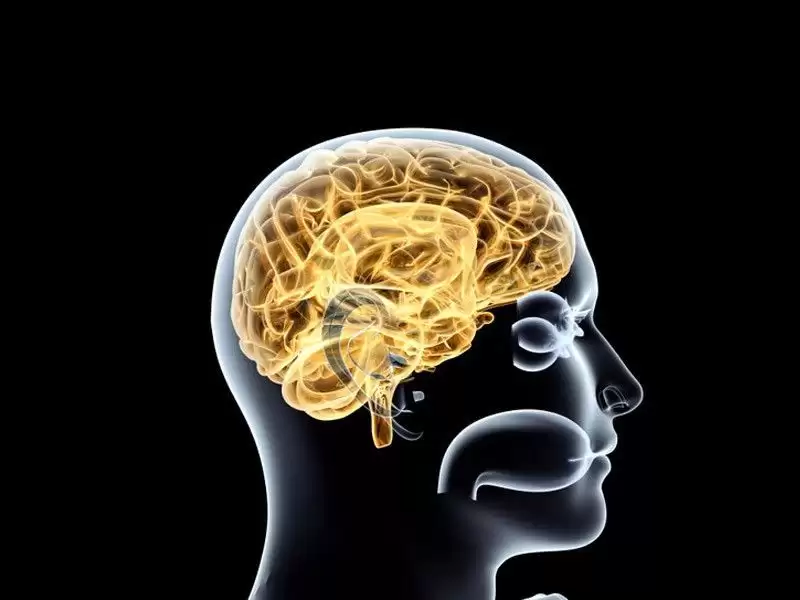
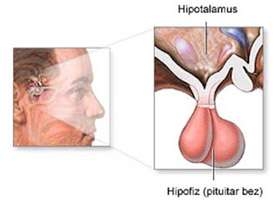
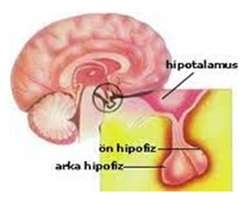
The pituitary gland is a bean-sized endocrine (hormone-secreting) gland located at the base of the brain, just behind the root of the nose, within a bony structure called the sella turcica. The hormones secreted from this gland help many important functions in the body such as sexual development, bone development, muscle building, coping with stress, and protection from diseases.
The pituitary is divided into 2 parts as the anterior pituitary and posterior pituitary.
Hormones Secreted From The Anterior Pituitary
- GH (Growth hormone)
- PRL (Prolactin)
- TSH (Thyroid Stimulating Hormone)
- LH (Luteinizing Hormone)
- FSH (Follicle Stimulating Hormone)
- ACTH (Adrenocorticotropic Hormone)
Hormones Secreted From The Posterior Pituitary
- Vasopressin (ADH)
- Oxytocin
Pituitary adenomas are divided into two main groups as hormone-secreting and non-hormone-secreting.
Hormone-secreting ones generally cause symptoms depending on the hormone they secrete. Non-hormone-secreting adenomas, on the other hand, do not cause symptoms for a long time, but they cause visual disturbances by putting pressure on the optic nerve (the nerve related to vision). Hormonal disorders, menstrual irregularities or absence of menstruation, milk discharge from the breast, excessive weight gain, rapid height growth, and enlargement of the hands, feet, and jaw are signs of hormonal disorders and require consulting a doctor. If the tumor size increases too much, it increases intracranial pressure and causes general symptoms such as headache, nausea, and vomiting. More rarely, they may also present with bleeding into the tumor. This condition, called pituitary apoplexy, generally appears with a picture of sudden neurological deterioration such as headache, visual disturbance, and eye paralysis.
Treatment Options In Pituitary Adenomas
Treatment of pituitary adenomas depends not only on whether the adenoma has hormonal activity, its size, and location, but also on the patient’s general health condition. The aim of treatment may be to remove the adenoma, reduce the size of the adenoma, and/or normalize hormone levels.
Surgical Treatment
The aim of surgical treatment is to remove the tumor as much as possible. The most commonly used surgical approach is to reach the tumor through the sphenoid bone. During this procedure, the pituitary is reached through under the upper lip and/or through the nasal canal using extremely small instruments, and the adenoma is removed.
Radiation Therapy
Radiation therapy is generally used in pituitary tumors as an addition to surgery and/or drug treatment or in the treatment of recurrent tumors.
Drug Treatment
The aim of drug treatment is to prevent tumors from secreting excessive hormones.
What is pituitary adenoma and how does it occur?
What is pituitary adenoma and how does it occur?
Pituitary adenoma is a benign tumor that occurs in the pituitary gland. The hormones controlled by the pituitary gland are growth hormone, prolactin, adrenocorticotropic hormone, thyroid stimulating hormone, and gonadotropins. Pituitary adenomas occur because of excessive secretion or decreased secretion of these hormones.
How is pituitary adenoma diagnosed?
Pituitary adenoma can be diagnosed through clinical examination, hormone tests, imaging studies (MRI, CT, PET), visual field tests, and brain tissue biopsy.
Is pituitary adenoma fatal?
Pituitary adenomas are rarely fatal and are generally benign. However, if the tumor puts pressure on brain tissue, especially if it is located in the lower part of the pituitary gland, this may lead to serious consequences.
Who gets pituitary adenoma?
Pituitary adenoma can be seen in people of all ages, but it is more common between the ages of 30 and 50.
Which hormones does pituitary adenoma affect?
Pituitary adenoma may affect growth hormone, prolactin, adrenocorticotropic hormone, thyroid stimulating hormone, and gonadotropin hormones.
What can pituitary adenoma cause?
Pituitary adenoma may cause excessive secretion or decreased secretion of the hormones controlled by the pituitary gland. This may lead to various hormonal changes and symptoms. In addition, the size of the tumor may put pressure on brain tissue and cause headache, vision problems, and other neurological symptoms.