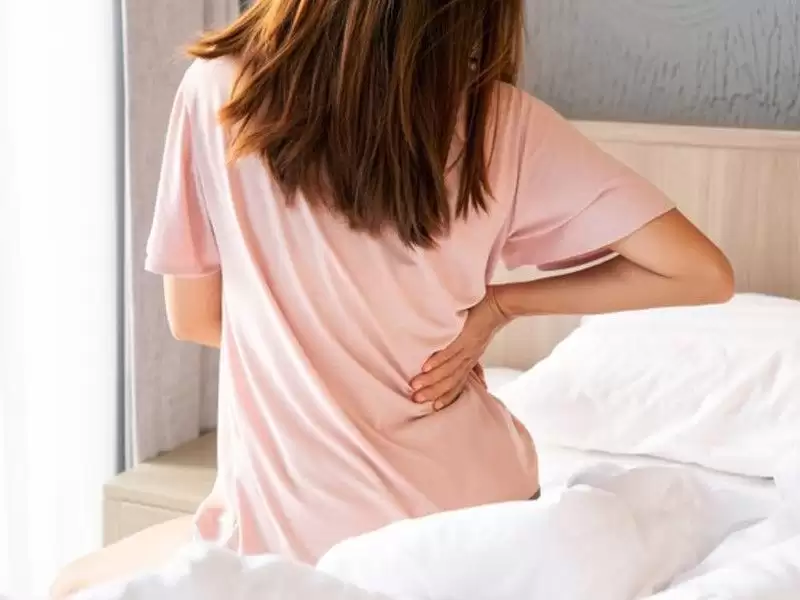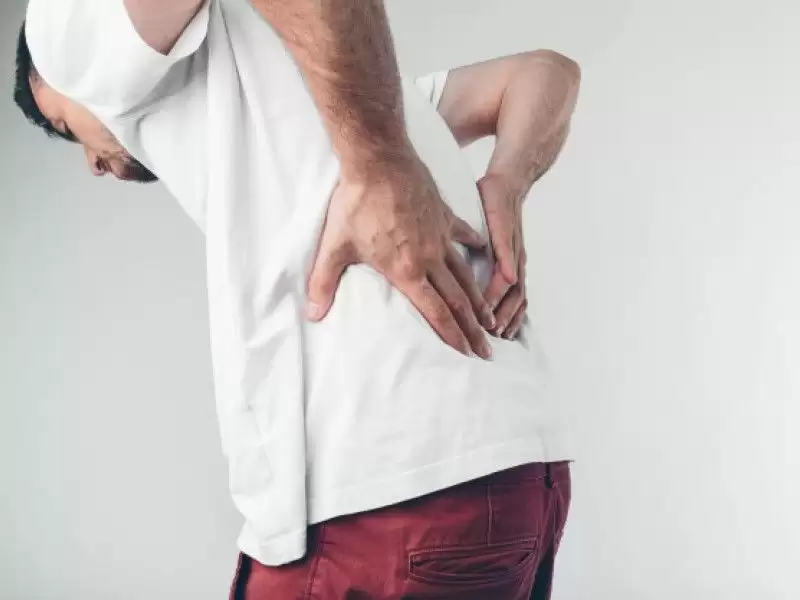
Complaints such as low back pain, numbness in the legs, weakness, and difficulty walking may be signs of spondylolisthesis. Spondylolisthesis, which negatively affects work and social life, may occur due to advanced age, congenital causes, and trauma, as well as because of a sedentary lifestyle, poor posture, and lifting excessive loads. Brain and Neurosurgery Specialist Op. Dr. Umut Yaka provided information about the causes of spondylolisthesis and its treatment.
- Pay Attention to Burning, Numbness, and Cramps Felt in the Legs!
- Stress Fractures Emerging During Adolescence Should Be Taken Seriously!
- Physical Therapy Is the Priority in Mild Spondylolisthesis
- If There Is Urinary Incontinence and Limitation of Movement, Surgical Treatment Is Essential!
- Get Rid of Your Pain with the Spinal Fusion Surgical Method
- Take These Recommendations into Consideration for Your Lower Back and Spine Health
Pay Attention to Burning, Numbness, and Cramps Felt in the Legs!
Spondylolisthesis, which occurs when one vertebra slips over the vertebra below it, causes unbearable lower back pain while standing or walking, as well as pain, numbness, and a burning sensation in the legs. Spondylolisthesis is seen more frequently in women than in men. Among the general complaints of patients with spondylolisthesis are pain in the lower back and hips. The severity of this pain increases while bending forward and decreases while bending backward. Again, these patients may frequently experience low back pain while walking and may have to stop. Standing for a very long time or cramps occurring in the legs in the evening may also be among the symptoms of spondylolisthesis.
These Causes Lead to Spondylolisthesis
- Congenital causes; occur due to a weakness or deficiency in alignment.
- Causes related to advanced age; occur as a result of wear and tear.
- Trauma; occurs as a result of events such as falls, collisions, and accidents.
- Advanced osteoporosis
- Factors such as a difficult delivery process
Stress Fractures Emerging During Adolescence Should Be Taken Seriously!
Approximately 5% of adults may have a developmental fracture in the bone part connecting the upper and lower joints of the lowest vertebrae in the lumbar region. This fracture may occur on one or both sides of the vertebra. These are generally “stress fractures” caused by excessive loading on the lower vertebrae of the highly mobile lumbar region. These fractures are called “spondylolysis.” Because this region is highly mobile, the fractures that occur may often not heal. While these fractures generally cause pain during adolescence, they may not create serious problems in adulthood. It is important that families do not ignore these pains experienced during adolescence and seek specialist advice.
Physical Therapy Is the Priority in Mild Spondylolisthesis
Treatment of spondylolisthesis is determined by the grading of the slippage in terms of the treatment method.

If spondylolisthesis is very mild, muscle relaxant medications and physical therapy, along with exercise programs to strengthen the patient’s muscles and bones, are recommended. Stress fractures and spondylolisthesis that do not cause complaints in the patient should first be monitored. If the patient has an excess weight problem, it is strongly recommended that they lose this weight.
If There Is Urinary Incontinence and Limitation of Movement, Surgical Treatment Is Essential!
If stress fractures seen during adolescence cause pain and restrict the activities of young people, they should be treated surgically. In slips occurring at advanced ages, if the patient experiences numbness below the lower back, weakness, urinary incontinence, and limitation of movement, surgery is required. Determining the degree of slippage during examination is also among the factors that determine whether surgery is needed. In elderly patients, many treatment methods, including physical therapy, are not effective in the problem of spondylolisthesis. Especially in elderly patients who have had the problem of spondylolisthesis for a long time, very serious symptoms are seen. In this case, surgical procedures are resorted to.
Get Rid of Your Pain with the Spinal Fusion Surgical Method
Two types of surgical treatment are applied for stress fractures (spondylolysis). The first of these is repair of the fractured area. The preferred surgical method in isthmic spondylolisthesis (slippage due to fracture) and degenerative spondylolisthesis (slippage due to wear and tear) is spinal fusion. At the same time, if there is pressure on the spinal cord, the compressing areas are cleaned to relieve it. The surgical procedure may be performed from the front, from the back, or from both sides. Fixation materials may be used. Recovery occurs after the operation with a good rehabilitation program.
Take These Recommendations into Consideration for Your Lower Back and Spine Health
A sedentary lifestyle, lifting heavy and unbalanced loads, and sudden movements are among the risks that lead to spondylolisthesis. It is very important to stand upright and to bend the knees when lifting weight. Just as a sedentary lifestyle invites all diseases, it is also important in preventing spondylolisthesis. Working your abdominal muscles is the most beneficial exercise for your lower back. Swimming will also strengthen your bones and vertebrae as it works your entire body. Importance should be given to healthy nutrition, excessive weight should be avoided, and attention should be paid to calcium intake, which is the main cause of bone disorders.