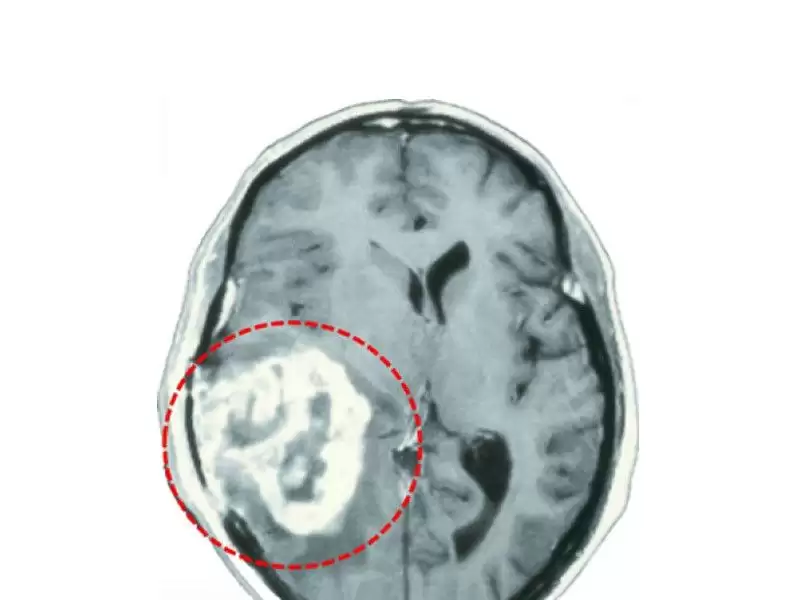
What Is Acoustic Neuroma?
Acoustic neuroma is a benign tumor originating from the tissue surrounding the eighth cranial nerve. It usually grows slowly and does not spread to surrounding tissues. The most common finding is hearing loss in the ear on the side where the tumor is located. Treatment options are observation alone, surgical intervention, or radiation therapy.
- What Is Acoustic Neuroma?
- What Causes Acoustic Neuromas?
- How Common Are Acoustic Neuromas?
- What Are The Symptoms Of Acoustic Neuromas?
- How Is Acoustic Neuroma Diagnosed?
- How Are Acoustic Neuromas Treated? What Are The Side Effects Of Treatment?
- What Are The Expectations After Treatment For Acoustic Neuromas?
- What Causes Acoustic Neuromas?
What Causes Acoustic Neuromas?
The cause of acoustic neuromas is unknown. It is thought that this tumor occurs when there is a defect in a certain type of tumor suppressor gene. These tumors may sometimes occur in a hereditary disease called neurofibromatosis type 2 (also known as von Recklinghausen disease).
How Common Are Acoustic Neuromas?
Acoustic neuromas are generally seen in 10 people per million. They are most commonly seen between the ages of 30 and 60 and are more frequent in women.
What Are The Symptoms Of Acoustic Neuromas?
Acoustic neuromas usually grow very slowly over the years.
Tumors are classified according to their size as small, medium, and large tumors.
The first symptom that appears is usually hearing loss. In 90% of patients, in addition to unilateral hearing loss, there is usually a buzzing sound or ringing in the ear.
Since the balance portion of the eighth nerve is also located in the affected area, balance problems may occur during the growth process of the tumor.
Less Common Signs And Symptoms Of Acoustic Neuromas Are As Follows:
- Headache: It may occur upon waking in the morning or may wake the person from sleep at night. It may increase when lying down and when standing up. It may worsen with coughing and sneezing and may be seen together with nausea-vomiting.
- Difficulty understanding speech that is disproportionate to the degree of hearing loss.
- Dizziness
- Numbness in the face or ear
- Pain in the face or ear
How Is Acoustic Neuroma Diagnosed?
Contrast-enhanced brain MRI is the best method used in the diagnosis of acoustic neuromas.
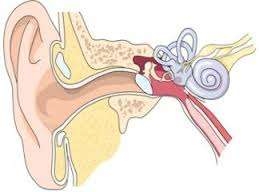
How Are Acoustic Neuromas Treated? What Are The Side Effects Of Treatment?
The larger the tumor, the more complex and difficult the treatment becomes, so the importance of early diagnosis and early treatment is great. In the treatment of this tumor, a neurosurgeon and an ear-nose-throat surgeon usually work together. The most effective surgical approach is chosen according to whether there is hearing loss, and according to the size and position of the tumor.
The aim of the surgical intervention is to preserve and restore the patient’s balance, facial expressions, sensation in the face, and vision.
Since the tumor develops around the 8th nerve responsible for hearing, hearing loss is usually permanent. Hearing lost before surgery does not return. If the tumor is large, hearing loss is usually complete.
During the removal of large tumors, permanent facial paralysis may occur because the nerve controlling the facial muscles is usually damaged.
Very large tumors may put pressure on the brainstem and block the normal flow of cerebrospinal fluid. In this case, it may cause fluid accumulation in the brain, namely hydrocephalus. This is a life-threatening condition. In this case, the aim of surgery is to restore the normal flow of the accumulated fluid in the brain and relieve the pressure on the brainstem.
Common side effects after surgical intervention are headache, nausea, restlessness, and difficulty with coordination. These side effects usually decrease within a few weeks. In some cases, rehabilitation treatment may be required.
The aim of stereotactic radiosurgery is to slow down or stop tumor growth; it is not to cure or eliminate the tumor. Radiosurgery is generally applied to elderly patients and to patients whose general health condition cannot tolerate surgery. In some cases, radiosurgery may also be used to destroy tumor remnants that may remain after surgery. Radiosurgery can only be applied to small tumors. Radiosurgery may also sometimes cause facial paralysis or hearing loss.
Observation. Since these tumors generally grow very slowly, they may often remain without causing any symptoms. In this case, they can be followed at regular intervals with MRI to monitor whether they are growing or not.

What Are The Expectations After Treatment For Acoustic Neuromas?
Acoustic neuromas are benign, non-cancerous tumors. They do not spread (metastasize) to other parts of the body, but they may continue to grow and put pressure on important structures داخل the skull.
With surgical intervention, the tumor can be completely removed in 95% of patients. The risk of death from this surgery is below 1%.
Permanent facial paralysis does not occur in approximately 95% of patients with small tumors. However, permanent facial paralysis is seen after surgery in about two-thirds of patients with large tumors.
In approximately half of the patients with small tumors, some hearing will remain on the side where the tumor is located.
After radiosurgery, undesirable conditions such as nerve damage, hearing loss, and facial paralysis may occur even after a certain period of time.
What Causes Acoustic Neuromas?
What Causes Acoustic Neuromas?
The cause of acoustic neuromas is unknown. It is thought that this tumor occurs when there is a defect in a certain type of tumor suppressor gene. These tumors may sometimes occur in a hereditary disease called neurofibromatosis type 2, also known as von Recklinghausen disease.
How Common Are Acoustic Neuromas?
Acoustic neuromas are generally seen in 10 people per million. They are most commonly seen between the ages of 30 and 60 and are more frequent in women.
How Is Acoustic Neuroma Diagnosed?
Contrast-enhanced brain MRI is the best method used in the diagnosis of acoustic neuromas.
How Is Acoustic Neuroma Treated?
The larger the tumor, the more complex and difficult the treatment becomes, so early diagnosis and early treatment are very important. In the treatment of this tumor, a neurosurgeon and an ear-nose-throat surgeon usually work together. The most effective surgical approach is chosen according to whether there is hearing loss, and according to the size and position of the tumor. The aim of the surgical intervention is to preserve and restore the patient’s balance, facial expressions, sensation in the face, and vision. Since the tumor develops around the 8th nerve responsible for hearing, hearing loss is usually permanent. Hearing lost before surgery does not return. If the tumor is large, hearing loss is usually complete. During the removal of large tumors, permanent facial paralysis may occur because the nerve controlling the facial muscles is usually damaged. Very large tumors may put pressure on the brainstem and block the normal flow of cerebrospinal fluid. In this case, it may cause fluid accumulation in the brain, namely hydrocephalus. This is a life-threatening condition. In this case, the aim of surgery is to restore the normal flow of the accumulated fluid in the brain and relieve the pressure on the brainstem. Common side effects after surgical intervention are headache, nausea, restlessness, and difficulty with coordination. These side effects usually decrease within a few weeks. In some cases, rehabilitation treatment may be required. The aim of stereotactic radiosurgery is to slow down or stop tumor growth; it is not to cure or eliminate the tumor. Radiosurgery is generally applied to elderly patients and to patients whose general health condition cannot tolerate surgery. In some cases, radiosurgery may also be used to destroy tumor remnants that may remain after surgery. Radiosurgery can only be applied to small tumors. Radiosurgery may also sometimes cause facial paralysis or hearing loss. Observation. Since these tumors generally grow very slowly, they may often remain without causing any symptoms. In this case, they can be followed at regular intervals with MRI to monitor whether they are growing or not.
What Are The Expectations After Treatment For Acoustic Neuromas?
Acoustic neuromas are benign, non-cancerous tumors. They do not spread to other parts of the body, but they may continue to grow and put pressure on important structures inside the skull. With surgical intervention, the tumor can be completely removed in 95% of patients. The risk of death from this surgery is below 1%. Permanent facial paralysis does not occur in approximately 95% of patients with small tumors. However, permanent facial paralysis is seen after surgery in about two-thirds of patients with large tumors. In approximately half of the patients with small tumors, some hearing will remain on the side where the tumor is located. After radiosurgery, undesirable conditions such as nerve damage, hearing loss, and facial paralysis may occur even after a certain period of time.
In Which Age Range Is Acoustic Neuroma More Common?
Acoustic neuroma usually occurs between the ages of 30 and 60 and is slightly more common in women than in men.
What Symptoms Does Acoustic Neuroma Cause?
Acoustic neuroma usually causes hearing loss, tinnitus, and balance problems. In addition, other symptoms such as headache, facial paralysis, and seizures may also be seen.
How Is Acoustic Neuroma Surgery Performed?
Acoustic neuroma surgery may vary depending on the size and location of the tumor. Generally, an incision is made behind the ear and a special procedure performed under a microscope by neurosurgeons is used to remove the tumor. However, complete removal of the tumor may not always be possible because it can cause hearing loss.