
Carpal Tunnel Syndrome
Carpal Tunnel Syndrome develops when the nerve is compressed due to increased pressure for various reasons within the space in the wrist through which the tendons and the nerve (median nerve) pass toward the hand. You can find information about Carpal Tunnel Syndrome in this article.
What Is the Carpal Tunnel?
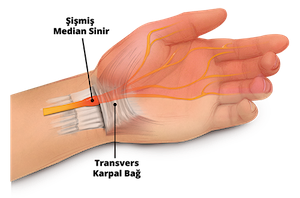
The carpal tunnel can be defined as a narrow canal located in the palm side of the hand, surrounded by bones and ligaments. Compression of the nerve called the median nerve, which is located within the carpal tunnel, causing numbness, tingling, and weakness in the hand and arm, is called carpal tunnel syndrome. This condition is generally a disorder indicating that the hands are strained. A person’s wrist anatomy, other health problems, and constantly repeating the same hand movements may cause carpal tunnel syndrome to occur. Appropriate medical treatment can relieve tingling and numbness. In this way, the wrist and hand can regain their normal functions.
What Causes Carpal Tunnel Syndrome?
The condition called carpal tunnel syndrome is caused by pressure on the median nerve. The median nerve extends from the forearm through a passage in the wrist called the carpal tunnel and into the hand. This nerve is responsible for providing sensation to the palm side of all fingers except the little finger. In addition to sensation, it is responsible for delivering the nerve signals required for the movement of the muscles around the thumb. Carpal tunnel syndrome occurs when the median nerve in the wrist area becomes compressed due to various diseases and anatomical changes. This pressure on the nerve may generally result from swelling in the connective tissue of that area and interruption of blood flow. Genetic predisposition, repetitive movements involving the wrist, obesity, rheumatic diseases, and pregnancy are among the major risk factors that can increase pressure within the canal. Carpal tunnel syndrome is more common in women than in men.

What Are the Symptoms of Carpal Tunnel Syndrome?
Carpal tunnel syndrome is a condition that occurs as a result of compression of the median nerve within a narrow canal in the wrist, and it manifests with pain, numbness, and tingling in the thumb, index finger, and middle finger. It is seen more often in middle-aged and older women. The first symptom that appears in carpal tunnel syndrome is numbness in the fingers. Especially in the mornings, numbness and tingling that extend from the hand toward the shoulder are frequently encountered. Since this may also occur depending on the sleeping position, it should be monitored to see whether it persists. Symptoms of carpal tunnel syndrome may also be seen during routine activities throughout the day. Symptoms may worsen during activities performed with the wrist bent, such as driving, reading a book, and carrying objects.
In the early stages of the disease, shaking or rubbing the hands may help one feel better. However, after a while, such practices may no longer be enough to relieve the numbness. As carpal tunnel syndrome progresses, the muscles in the hand may shrink, leading to difficulty in grasping, and progression of the syndrome may cause pain and muscle cramps. After some time, due to irritation and pressure around the median nerve, the muscles may stop functioning as they normally should. This may lead to advanced symptoms such as slower nerve impulses, loss of sensation in the fingers, and weakness. The symptoms of carpal tunnel syndrome can be listed as follows:
- Burning, itching, and tingling sensation in the palm and fingers
- Weakness in the hand and fingers and difficulty gripping objects
- A sensation like an electric shock traveling through the fingers
- A tingling sensation extending toward the arm
- Pain or soreness in the fingers, hand, or arm
Carpal Tunnel Syndrome Treatment
First of all, it is recommended to avoid tasks that strain the hand and wrist, and excessive strain should be avoided. In people who use their hands and fingers due to their profession, the wrist should not be kept continuously bent. In addition, the muscles should be strengthened by doing exercises that strengthen the hand, wrist, and fingers. Not keeping these areas immobile is one of the most important treatments for protecting the fingers and hand. Treatment of carpal tunnel syndrome may also include local pain-relieving and anti-swelling gels. In addition, a wrist splint to be used only at night and a corticosteroid injection around the nerve can provide extremely safe and effective treatment. In patients whose pain and weakness continue despite medication and other treatments or who have advanced disease, complete recovery may be achieved with a minor operation lasting about 15 minutes under local anesthesia. After a 2-week rest period, patients can return to their normal daily lives.

Carpal Tunnel Syndrome Surgery
If the syndrome is not in an advanced stage, treatment methods such as rest, splint use, medication, and steroid injection are applied. If the syndrome is severe and there is no response to non-surgical treatment methods, it is treated with a simple surgical intervention. In carpal tunnel surgery, the tissues causing pressure over the narrowed tunnel are cut and released, thereby relieving the compressed nerve. This operation is performed through a very small incision. It is a procedure carried out under local anesthesia, meaning the wrist is numbed, without general anesthesia, and therefore without putting the patient to sleep, even while talking to the patient. If the question arises whether carpal tunnel syndrome surgery is risky, as with any surgical operation there is a risk of infection, but as is known, such risks can be managed with medication treatment. In severe cases, symptoms that are present before surgery may not disappear completely.
Frequently Asked Questions About Carpal Tunnel Syndrome
What is the carpal tunnel?
The carpal tunnel is a tunnel located on the inner side of the wrist. This tunnel contains many important structures such as nerves and tendons.
What does carpal tunnel syndrome mean?
Carpal tunnel syndrome is a condition that occurs due to compression of the median nerve located within the carpal tunnel. The median nerve is important for the sensation and movement of the hand and fingers.
What are the symptoms of carpal tunnel syndrome?
Symptoms of carpal tunnel syndrome include numbness, tingling, pain, and weakness in the hand, wrist, and fingers. In some cases, swelling and a feeling of warmth in the wrist may also be felt.
How is carpal tunnel syndrome diagnosed?
Carpal tunnel syndrome can be diagnosed based on the patient’s symptoms and through physical examination. In addition, other tests such as electromyography (EMG) and nerve conduction velocity testing may also be used.
What is the treatment for carpal tunnel syndrome?
Treatment for carpal tunnel syndrome may vary depending on the severity and duration of the symptoms. Treatment options include wrist splints, physical therapy, medications, and surgical intervention.
What are the causes of carpal tunnel syndrome?
Carpal tunnel syndrome usually occurs due to repetitive movements or excessive pressure on the wrist. Other factors may include diabetes, rheumatoid arthritis, pregnancy, and hormonal changes.
Can carpal tunnel syndrome be prevented?
Carpal tunnel syndrome can be prevented by avoiding repetitive movements and excessive pressure on the wrist. In addition, doing wrist exercises and using ergonomically designed tools may also be among the preventive measures.