
Symptoms of cervical disc herniation may appear with complaints such as pain, numbness, tingling and loss of strength caused by the disc between the cervical vertebrae pressing on the nerves. Cervical disc herniation pain often does not remain limited to the neck; it may spread to the shoulder, arm, hand and fingers. Therefore, how to recognize cervical disc herniation is important, especially for people who experience pain radiating from the neck to the arm.
- What Are the Symptoms of Cervical Disc Herniation?
- How Does Cervical Disc Herniation Pain Feel?
- Does Cervical Disc Herniation Cause Pain Radiating to the Arm?
- Does Cervical Disc Herniation Cause Arm Numbness and Tingling?
- Does Cervical Disc Herniation Cause Loss of Strength in the Hand?
- Does Cervical Disc Herniation Cause Shoulder and Back Pain?
- Does Cervical Disc Herniation Cause Headache and Dizziness?
- When Should Cervical Disc Herniation Symptoms Be Taken Seriously?
What Are the Symptoms of Cervical Disc Herniation?
Cervical disc herniation occurs when the disc tissue located between the cervical vertebrae shifts and presses on the surrounding nerve roots. This pressure may cause a person to feel symptoms not only in the neck area but also in the shoulder, arm, hand and fingers where the nerve extends. For this reason, the phrase what are the symptoms of cervical disc herniation covers not a single complaint but multiple complaints seen in different areas.
The most common complaints include neck pain, limited movement, discomfort spreading to the shoulder, numbness in the arm, tingling in the hand and sensory changes in the fingers. In some people, pain may begin mildly, while in others it may appear suddenly and sharply. When asking what complaints does cervical disc herniation cause, the location, duration, severity of the pain and the degree of nerve compression should be evaluated together.
In advanced nerve involvement, decreased muscle strength, loss of hand dexterity, difficulty gripping and difficulty with daily tasks may be seen. Therefore, symptoms should not be considered only as pain. In particular, cervical disc herniation symptoms may vary from person to person depending on the level of nerve structure involvement and may need to be evaluated by a brain and nerve diseases specialist.
How Does Cervical Disc Herniation Pain Feel?
Pain in cervical disc herniation often starts from the nape and may be felt in the back of the neck as pressure, burning, stabbing or a deep ache. When cervical disc herniation causes pain in the nape, the person may have difficulty turning the head from side to side, and discomfort may increase after sitting at a desk for a long time. This pain may sometimes be more noticeable after waking up in the morning, while at other times it may worsen with movement during the day.
Since cervical disc herniation can cause pain that increases with movement, tilting the head backward, looking at the phone for a long time, sitting bent forward in front of a computer or sudden neck movements may increase the complaints. Although the pain may feel like simple muscle stiffness, if it is accompanied by radiation to the arm, numbness or weakness in the hand, the possibility of nerve compression should be evaluated more carefully.
In some patients, cervical disc herniation may be confused with neck stiffness. However, while complaints in ordinary stiffness usually decrease within a few days, pain due to cervical disc herniation may last longer and may spread toward the arm. Pain that wakes a person from sleep at night, does not improve with rest or gradually increases may require a more detailed examination.
Does Cervical Disc Herniation Cause Pain Radiating to the Arm?
Cervical disc herniation may cause pain to spread from the neck to the shoulder, from the shoulder to the arm and sometimes to the fingertips when it presses on the nerve roots. Therefore, does cervical disc herniation radiate to the arm is a very important issue for people who experience arm complaints along with neck pain. The spread of pain to the arm is related to the path followed by the affected nerve root along the arm.
Cervical disc herniation arm pain is usually seen on one side and may extend from the shoulder to the elbow, forearm, wrist or fingers. While some people describe the pain as an electric sensation, others may experience burning or pulling. When cervical disc herniation causes pain spreading from the shoulder to the arm, the problem may be perceived as if it originates from the shoulder joint.

Making this distinction is important for the treatment plan. This is because shoulder-related pain and nerve pain caused by cervical disc herniation may resemble each other. However, an increase in pain with neck movements, radiation toward the arm and accompanying numbness may suggest a neck-related problem. Therefore, in people presenting with Istanbul cervical disc herniation symptoms, neurological examination plays an important role in determining the source of the pain.
Does Cervical Disc Herniation Cause Arm Numbness and Tingling?
When cervical disc herniation affects the nerve root, numbness in the arm, loss of sensation in the hand and tingling in the fingers may be seen. Cervical disc herniation arm numbness is usually related to the area where the nerve is under pressure, and which fingers the numbness spreads to may provide diagnostic information. In some people, numbness may be mild and intermittent, while in others it may recur frequently during the day.
Cervical disc herniation hand numbness may be felt more clearly, especially in people who work at a desk, use a phone for long periods or keep the neck in a forward-bent position. Reduced sensation may be seen in the whole hand or in certain fingers. When cervical disc herniation causes numbness in the fingers, the person may have difficulty with fine tasks or may perceive a different sensation while using the hand.
In addition to numbness, the feeling of cervical disc herniation tingling is also common. This sensation may sometimes be described as pins and needles, burning or an electric feeling. If tingling becomes persistent, progresses along the arm or occurs together with loss of strength, the degree of nerve compression should be evaluated.

Does Cervical Disc Herniation Cause Loss of Strength in the Hand?
Cervical disc herniation may not remain limited to pain and numbness when the pressure on the nerve progresses. In some people, grip strength in the hand may decrease, and daily movements such as buttoning, holding a pen, gripping a glass or turning a door handle may become difficult. Cervical disc herniation loss of strength in the hand is therefore a symptom that should be taken seriously.
When cervical disc herniation causes weakness in the hand, the person may start dropping objects or may notice that they cannot use the arm as strongly as before. This condition may be related to the muscles not receiving sufficient nerve stimulation. Temporary difficulty in use caused by pain and true loss of strength due to nerve compression should be evaluated separately.
Loss of strength may indicate that nerve compression is more pronounced. Especially if weakness develops in addition to numbness and tingling, it is more appropriate to seek specialist evaluation instead of waiting. Since cervical disc herniation nerve compression symptoms include loss of strength, reflex changes and sensory impairment, neurological examination plays an important role in diagnosis.
Does Cervical Disc Herniation Cause Shoulder and Back Pain?
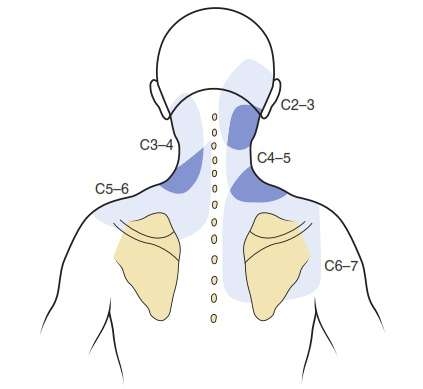
Cervical disc herniation does not only affect the neck and arm area; it may also cause pain around the shoulder and between the shoulder blades. When cervical disc herniation causes shoulder pain, the person may think that the problem originates from the shoulder muscles, joint or poor posture. However, if the pain increases with neck movements and spreads toward the arm, neck-related nerve involvement should be considered.
Cervical disc herniation back pain may be felt especially around the shoulder blade as pressure, burning or a deep ache. Sitting for long periods, using a computer, driving and working with the neck bent forward may increase this pain. In some people, shoulder and back pain may be the first symptom that begins before arm numbness.
Whether shoulder and back pain is caused by cervical disc herniation can be understood by evaluating where the pain spreads, and whether there is numbness, tingling and decreased muscle strength. At this point, for people searching for an Istanbul cervical disc herniation specialist, evaluation by the right branch may help prevent unnecessary treatment delays.
Does Cervical Disc Herniation Cause Headache and Dizziness?
Cervical disc herniation may cause pain spreading from the nape toward the head in some people. Cervical disc herniation headache is usually felt together with tension in the nape, spasm in the neck muscles and limited movement. The pain may start from the back of the head and may increase during the day after staying in the same position for a long time.
Cervical disc herniation dizziness is not a direct symptom seen in every patient. Dizziness may be related to tension in the neck muscles, poor posture, movement limitation due to pain or different ear, vascular and neurological causes. Therefore, dizziness should not be attributed only to cervical disc herniation and should be evaluated together with accompanying symptoms.

If arm pain, hand numbness, tingling in the fingers or loss of strength is added to headache and dizziness, an examination may be required for the nerve structures in the neck region. Especially if the pain recurs, limits daily life and does not improve with rest, cervical disc herniation neurosurgery evaluation becomes important.
When Should Cervical Disc Herniation Symptoms Be Taken Seriously?
Cervical disc herniation symptoms do not always progress with the same severity. Mild pain can sometimes be controlled with rest, posture correction and appropriate treatment. However, if cervical disc herniation causes night pain, wakes the person from sleep or the pain gradually increases, this condition should be addressed more carefully.
When asking when are cervical disc herniation symptoms dangerous, especially loss of strength in the hand, marked weakness in the arm, progressive numbness, imbalance while walking, deterioration in fine hand movements and changes in urinary control stand out. These symptoms may require evaluation without delay in terms of nerve or spinal cord involvement.
What happens if cervical disc herniation progresses is also important for this reason. In progressive herniations, nerve compression may increase, pain may become permanent, loss of strength in the hand may become more pronounced and quality of daily life may decrease. Proper evaluation in the early period helps identify the source of complaints and create a personalized treatment plan.
In people with suspected cervical disc herniation, diagnosis is not made only according to the location of the pain. Examination findings, nervous system evaluation and, when necessary, imaging methods are assessed together. This approach both reduces unnecessary anxiety and prevents serious symptoms from being overlooked.